Introduction
Iron is an essential mineral fundamental to human health, responsible for functions including oxygen transport and energy metabolism. In vegetarian diets, iron deserves special attention since plant-based sources provide non-heme iron, which is less readily absorbed by the body compared to the heme iron found in animal foods. Understanding how to optimize iron intake and absorption is key to preventing deficiency and maintaining wellbeing on a vegetarian diet.
Iron’s Functions and Importance
Iron is crucial for forming hemoglobin, the protein in red blood cells that carries oxygen from the lungs to tissues. It also plays vital roles in muscle function, neurological development, immune system performance, and energy production. Without enough iron, the body cannot make adequate healthy red blood cells, which leads to decreased oxygen delivery and may cause anemia.
Vegetarian Sources of Iron
While vegetarians do not consume meat (a source of highly bioavailable heme iron), many plant foods provide iron in its non-heme form. Top vegetarian-friendly iron sources include:
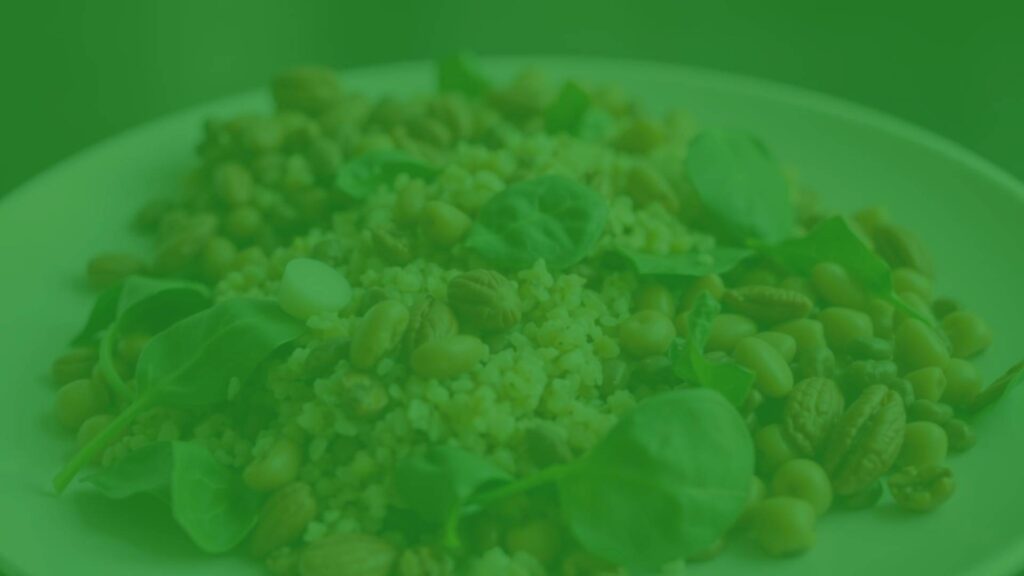
- Legumes (lentils, chickpeas, kidney beans, soybeans)
- Dark leafy greens (spinach, Swiss chard, kale)
- Seeds (pumpkin, sesame, sunflower)
- Nuts (cashews, almonds)
- Whole grains (quinoa, oatmeal, brown rice)
- Dried fruits (apricots, raisins, prunes)
- Iron-fortified cereals and breads
Dairy and eggs contain smaller amounts of iron, but are not as significant for iron compared to the plant-based options listed above. Fortified foods can be a valuable resource in some vegetarian diets, especially when iron needs are higher.
Recommended Intake and Special Needs
The Recommended Dietary Allowance (RDA) for adult men (ages 19–50) is 8 mg/day and for adult women (ages 19–50) is 18 mg/day due to menstrual losses; after age 51, all adults require 8 mg/day. Vegetarians are advised to aim for up to 1.8 times the standard recommended amount, as non-heme iron from plant foods is less efficiently absorbed. Pregnant women, adolescents, athletes, and individuals with heavy periods have increased iron needs and should pay extra attention to their intake.
Iron Absorption, Bioavailability, and Interactions
Non-heme iron from plants is absorbed less efficiently than heme iron from animal sources. However, several dietary strategies can boost absorption:
- Vitamin C: Consuming foods rich in vitamin C (such as citrus, bell peppers, tomatoes, and strawberries) at the same meal as iron-rich foods can significantly enhance non-heme iron absorption.
- Avoiding inhibitors: Coffee, tea, cocoa, calcium supplements, and some whole grains contain compounds (like polyphenols and phytates) that can inhibit iron absorption. It’s best to separate these from iron-rich meals by at least an hour when possible.
- Cooking techniques: Soaking, sprouting, or fermenting beans and grains can reduce phytate content, thus improving iron bioavailability.
Deficiency Risks and Symptoms
Vegetarians can be at increased risk for iron deficiency, especially if their diets lack variety or iron-rich foods. Signs and symptoms may include fatigue, weakness, pallor, shortness of breath, reduced immunity, and impaired cognitive function. Young women, growing children, and pregnant individuals are particularly vulnerable. Routine bloodwork can help identify early signs of deficiency and guide timely intervention.
Supplementation Considerations
Iron supplements may be necessary for some vegetarians, especially those with higher needs or diagnosed deficiencies. However, excessive iron can be harmful, so supplementation should only be started after consulting with a healthcare provider and confirming need through blood tests. It’s best to focus on diet first, using supplements as a targeted tool when indicated.
Practical Tips and Common Pitfalls
- Include a source of vitamin C at every meal with iron-rich plant foods.
- Rotate sources of iron (legumes, seeds, whole grains, greens) to improve nutrient diversity.
- Do not rely solely on calcium-rich foods in main meals with iron sources; try to consume them at separate times.
- Snack on dried fruits and seeds for easy iron boosts.
- Monitor energy levels, especially if you have risk factors for deficiency.
A mistake some vegetarians make is assuming that all plant-based diets provide ample iron; without planning, intake can fall short. Another common misconception is that only meat eaters are safe from iron deficiency — vegetarians must be proactive, but can absolutely meet their needs through smart choices.
FAQ: Common Concerns about Iron in Vegetarian Diets
- Can you get enough iron from a plant-based diet?
Yes, with thoughtful planning and food combinations, vegetarians can fulfill their iron requirements and enjoy good health. - Do vegetarians need to take iron supplements?
Not always. Many vegetarians meet their needs through diet. Supplements are only needed if a healthcare provider diagnoses a deficiency or an individual has significantly increased needs. - Is spinach a good source of iron?
Spinach does contain iron, but it also has compounds that limit iron absorption. It’s best viewed as part of a varied approach rather than a sole source.
Conclusion
Iron is a vital nutrient that deserves careful attention in any vegetarian diet. By emphasizing a variety of iron-rich plants, pairing with vitamin C, being mindful of inhibitors, and seeking regular health checks, vegetarians can confidently maintain healthy iron status. With knowledge and planning, iron needs can be met, supporting energy, vitality, and overall health on a vegetarian journey.
