Introduction
Omega-3 fatty acids are essential fats that play key roles in overall health, particularly for the heart, brain, and inflammation regulation. For vegetarians, ensuring adequate omega-3 intake can be challenging, as common sources like fish and seafood are off the menu. Understanding how to obtain and optimize omega-3s in a vegetarian diet is important to support long-term well-being and prevent potential deficiencies.
Basic Functions and Importance
Omega-3 fatty acids—particularly ALA (alpha-linolenic acid), EPA (eicosapentaenoic acid), and DHA (docosahexaenoic acid)—are vital for cardiovascular health, brain function, eye health, and controlling inflammation. EPA and DHA have been studied for their roles in reducing the risk of heart disease, supporting mental well-being, and contributing to healthy pregnancies and child development. Since the body cannot produce these fats efficiently, they must be obtained from food.
Sources and Availability in a Vegetarian Diet
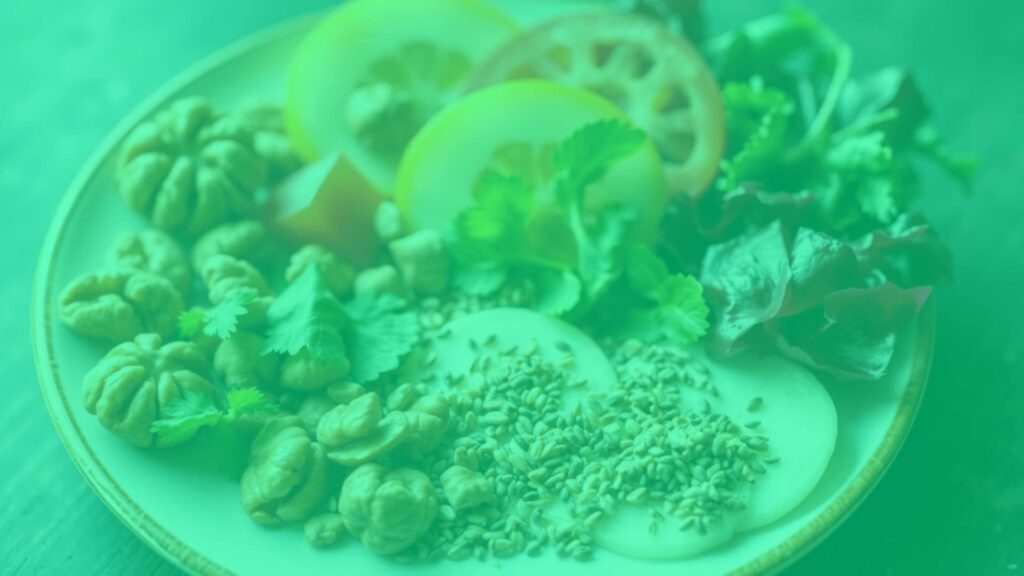
Vegetarians rely mainly on ALA, found in plant foods, as EPA and DHA are primarily found in fatty fish and some algae. Key vegetarian sources of omega-3s include:
- Flaxseeds and flaxseed oil
- Chia seeds
- Walnuts
- Hemp seeds
- Canola oil and soybeans
Some fortified foods, such as certain plant-based milks and spreads, may also contain added DHA (from algal oil). Algal oil supplements provide a direct source of DHA and are suitable for vegetarians and vegans.
Recommended Intake and Special Needs
The recommended adequate intake (AI) for ALA is about 1.1 grams/day for adult women and 1.6 grams/day for adult men. For DHA and EPA, there are no official guidelines for vegetarians, but some organizations suggest aiming for 250-500 mg/day combined for optimal health. Pregnant and breastfeeding women may have increased needs to support fetal and infant brain development.
Absorption, Bioavailability, and Interactions
Plant omega-3s are mainly in the form of ALA, which the human body must convert into EPA and then DHA. This conversion is inefficient—often less than 10% for EPA and even lower for DHA. High intakes of omega-6 fatty acids (from many vegetable oils) can also hinder this conversion. To support omega-3 absorption and conversion:
- Use ground flaxseeds instead of whole seeds for better absorption.
- Include omega-3-rich foods several times a week.
- Limit excessive omega-6 fats by moderating intake of sunflower, corn, and soybean oils.
- Ensure adequate intake of nutrients that support conversion, such as zinc and vitamin B6.
Deficiency Risks and Symptoms
Vegetarians may be at risk for lower blood levels of EPA and DHA, potentially increasing long-term risk of heart issues or affecting cognitive or visual health. Signs of deficiency might include dry skin, poor wound healing, mood or memory changes, and (rarely) vision issues. Pregnant or breastfeeding vegetarians should be especially mindful of omega-3 intake to support child development.
Supplementation
Algal oil is a plant-based, sustainable source of DHA and sometimes EPA, and is suitable for vegetarians and vegans. Supplementation may be advised for those with higher needs, such as during pregnancy or if dietary intake is consistently low. Always consult a healthcare professional before starting supplements.
Practical Tips and Common Mistakes
- Include a tablespoon of ground flaxseed or chia seeds in smoothies, oatmeal, or yogurt daily.
- Snack on a handful of walnuts.
- Check labels for fortified plant milks or spreads with added DHA.
- Don’t rely solely on standard vegetable oils for healthy fats; choose canola or flaxseed oil when possible.
- Avoid the misconception that all plant oils are rich in omega-3s—many, like olive or sunflower oil, are not significant sources.
FAQ or Common Concerns
Can you get enough omega-3s on a vegetarian diet? Yes, but it takes careful planning. Regularly include ALA-rich foods, and consider algae-based supplements for direct DHA/EPA.
Are walnuts or flaxseeds better sources? Both are excellent for ALA, but flaxseeds contain a higher concentration per serving.
Is conversion of ALA to DHA/EPA enough? For most people, conversion is low; supplementation may help those who want to optimize blood levels, especially for certain life stages.
Conclusion / Encouragement
Optimizing omega-3 fatty acids in a vegetarian diet is possible with mindful food choices, attention to ALA intake, and leveraging modern fortified foods or algal supplements if needed. With smart planning, vegetarians can support heart, brain, and overall health, maintaining a well-balanced and nourishing diet.
