Introduction
Vitamin B2, also known as riboflavin, is a water-soluble vitamin that plays a vital role in human health. Adequate intake of vitamin B2 is important for everyone, but it is especially notable for those following a vegetarian or vegan diet due to certain dietary patterns and source availability. Understanding how to get enough riboflavin is key to maintaining optimal health and preventing deficiency.
Basic Functions and Importance
Riboflavin is crucial for converting carbohydrates, proteins, and fats into energy—a process essential for all cells in the body. It also supports normal growth and development, helps maintain healthy skin, eyes, and nervous system, and acts as an antioxidant by protecting cells from oxidative stress. Adequate vitamin B2 is required for proper metabolism of other B vitamins, such as B6 and niacin.
Sources and Availability in a Vegetarian Diet
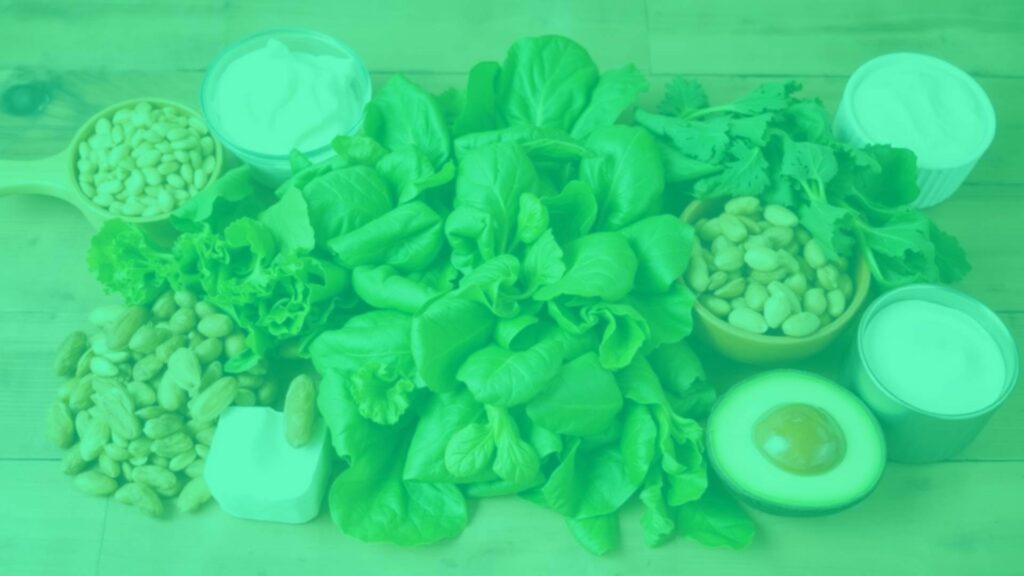
While riboflavin is widely distributed among foods, some of the richest sources are animal-based. However, vegetarians can reliably obtain vitamin B2 from:
- Dairy products (milk, yogurt, cheese) – among the best sources for lacto-vegetarians.
- Eggs – a good source for ovo-vegetarians.
- Almonds and sunflower seeds
- Mushrooms (especially portobello and shiitake)
- Green leafy vegetables (spinach, asparagus, broccoli)
- Fortified cereals and plant milks – particularly helpful for vegans.
- Whole grains, wheat germ, and legumes
It is important to note that the riboflavin content can decrease during food processing and storage. Plant-based sources generally offer lower concentrations compared to animal-based foods, so prudent planning is recommended, especially for vegans.
Recommended Intake and Special Needs
General guidelines recommend the following daily intake for adults:
- Men (ages 19+): 1.3 mg
- Women (ages 19+): 1.1 mg
- Pregnancy: 1.4 mg
- Lactation: 1.6 mg
Children and adolescents require less, and needs may increase for athletes or those under physical stress.
Absorption, Bioavailability, and Interactions
Riboflavin from dairy, eggs, and fortified foods is generally well absorbed. Plant sources may provide less-dense amounts, but absorption is good as long as intake is adequate. Exposure of foods to light can degrade riboflavin, so storing milk and other sources in opaque containers helps preserve it. No major dietary interactions limit riboflavin absorption, but excessive alcohol intake may impair status.
Deficiency Risks and Symptoms
Deficiency is uncommon in industrialized countries but may occur in those with limited dietary variety, restrictive eating patterns, or malabsorption conditions. Symptoms include:
- Sore throat
- Cracked lips or corners of the mouth (cheilosis)
- Inflamed tongue (glossitis)
- Skin rashes, especially around the nose and ears
- Red, itchy eyes or increased sensitivity to light
Vegans, older adults, and individuals with inadequate calorie intake are most at risk. Early detection and dietary improvements generally correct mild deficiencies.
Supplementation
Most people following a varied vegetarian or lacto-ovo vegetarian diet can meet their needs through food alone. For strict vegans or those with limited variety, a vitamin B-complex or multivitamin containing riboflavin may be prudent. Since B2 is water-soluble and excess is excreted in urine, toxicity is rare; however, it’s wise to consult a healthcare professional before starting supplements.
Practical Tips and Common Mistakes
- Include servings of dairy or eggs if your diet allows; otherwise, prioritize fortified foods and a wider range of vegetables, nuts, and legumes.
- Store riboflavin-rich foods, especially milk, away from light to preserve their content.
- Don’t assume all plant milks or cereals are fortified—read labels carefully.
- Relying heavily on refined grains or processed foods can decrease riboflavin intake.
FAQ or Common Concerns
- Can I get enough vitamin B2 on a vegan diet?
- Yes, with careful planning using fortified foods, nuts, seeds, mushrooms, and green vegetables. Fortified plant milks and cereals are especially useful.
- Do I need a supplement?
- If you have limited food variety, are pregnant, or at higher risk of deficiency, a supplement may help, but most people can meet requirements with a balanced diet. Always consult a healthcare provider first.
- How do I know if I am deficient?
- Look for the symptoms listed above and speak to your doctor if you have concerns, especially if you follow a very restrictive diet or have absorption issues.
Conclusion
Vitamin B2 (riboflavin) is a vital nutrient for energy metabolism and overall health. While animal-derived foods are rich sources, well-planned vegetarian and vegan diets can provide enough riboflavin through a combination of dairy, eggs, fortified foods, and diverse plant sources. Paying attention to variety and food storage habits will help meet your needs. In most cases, with awareness and knowledge, adequate riboflavin intake is very achievable for vegetarians.
