Introduction
Vitamin B3, also known as niacin, is an essential nutrient that plays a critical role in overall health—especially within vegetarian diets. Given its involvement in energy metabolism and the maintenance of healthy skin and nerves, paying attention to vitamin B3 intake is important for vegetarians. Understanding sources, absorption, and prevention of deficiency helps ensure optimal health on a plant-based diet.
Basic Functions and Importance
Niacin is a water-soluble B vitamin crucial for converting food into usable energy. It supports the function of the digestive system, nervous system, and skin. Additionally, niacin acts as a coenzyme in redox reactions, contributing to DNA repair and lowering cholesterol when consumed in adequate amounts. Without enough niacin, the body cannot efficiently break down carbohydrates, fats, or proteins for energy.
Sources and Availability in a Vegetarian Diet
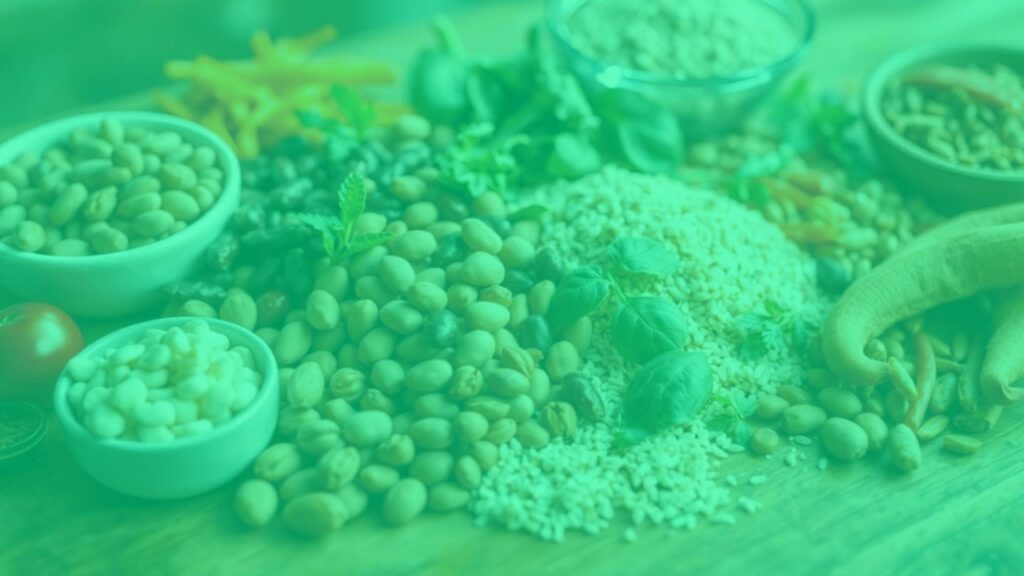
Vegetarians can obtain niacin through a variety of plant-based foods. Good sources include:
- Whole grains (e.g., brown rice, whole wheat bread, oatmeal)
- Legumes (e.g., peanuts, lentils, beans)
- Seeds (e.g., sunflower seeds, pumpkin seeds)
- Mushrooms (especially portobello and shiitake)
- Potatoes and sweet potatoes
- Fortified cereals and plant-based meat alternatives
Eggs and dairy products also contain niacin and can be included by lacto-ovo vegetarians.
It’s important to note that niacin is present both as preformed niacin and as tryptophan, an amino acid that the body can convert to niacin. Plant-based diets may have lower tryptophan content compared to diets containing animal products, impacting overall niacin availability.
Recommended Intake and Special Needs
According to global health guidelines, the Recommended Dietary Allowance (RDA) for niacin (measured as niacin equivalents, NE) for adults is:
- Men (19+ years): 16 mg NE/day
- Women (19+ years): 14 mg NE/day
- Pregnant women: 18 mg NE/day
- Lactating women: 17 mg NE/day
Higher needs may occur during periods of intense physical activity, growth, pregnancy, and lactation.
Absorption, Bioavailability, and Interactions
Niacin from plant sources may be less bioavailable, especially in foods like corn, where niacin is tightly bound and less usable unless properly processed (e.g., nixtamalization). Including a variety of grains, legumes, and seeds helps maximize intake. The presence of tryptophan in the diet is also significant: protein-rich plant foods can support niacin status. Cooking and soaking may improve bioavailability by reducing compounds that inhibit absorption.
Deficiency Risks and Symptoms
Deficiency in niacin is known as pellagra, which is rare in developed countries but can occur with poor dietary intake. Symptoms include:
- Dermatitis (especially in sun-exposed areas)
- Diarrhea
- Dementia (confusion, disorientation)
- Fatigue and weakness
Those at higher risk include individuals with limited diets (e.g., heavy reliance on unfortified corn), alcohol dependence, malabsorption disorders, or inadequate protein intake.
Supplementation
In most cases, a well-planned vegetarian diet provides sufficient niacin. Supplementation may be considered for those with restricted diets or medical conditions affecting absorption. High-dose niacin supplementation should only be taken under medical supervision, as excess can cause flushing, liver issues, and other side effects. Always consult a healthcare provider before starting niacin supplements.
Practical Tips and Common Mistakes
- Include a diverse range of legumes, grains, nuts, and seeds daily.
- Consume fortified cereals or plant-based substitutes if relying heavily on processed grains or low-tryptophan foods.
- Avoid relying solely on unfortified cornmeal or processed white flour, which are poor sources unless enriched.
- Regularly review dietary habits to ensure variety and adequacy.
A common misconception is that only animal foods provide enough niacin—while vegetarian diets require planning, niacin needs can be met without animal products.
FAQ and Common Concerns
- Can you get enough niacin from a vegan diet? Yes, with careful selection of whole grains, legumes, seeds, and fortified foods, most vegans can meet the RDA for niacin.
- Is plant-based niacin as effective as from animal foods? While bioavailability may be lower from some sources, plant-based niacin can be effective if the diet is varied and includes good protein sources.
- Should vegetarians routinely supplement niacin? Not usually required with a balanced diet; supplementation is mainly reserved for specific medical conditions or dietary restrictions.
Conclusion
Vitamin B3 (niacin) is vital for energy production, healthy skin, and nervous system function. Vegetarians can readily meet their needs by including a range of legumes, whole grains, seeds, nuts, and fortified foods in their diets. With an understanding of niacin sources and absorption strategies, most vegetarians can maintain optimal health and prevent deficiency. A balanced, well-planned diet is key to thriving on a vegetarian lifestyle.
