Introduction
Vitamin B9, commonly known as folate, is a water-soluble B vitamin crucial to many bodily functions. For vegetarians, paying attention to folate intake is important because this nutrient plays essential roles in cellular growth, DNA synthesis, and overall metabolic health. Although vegetarian diets are often rich in folate due to their emphasis on plant foods, understanding its importance and how to optimize intake can help prevent deficiencies and support wellness across the lifespan.
Basic Functions and Importance
Folate is critical for forming DNA and RNA, enabling growth and repair of all body cells. It is essential in red blood cell production, helping prevent megaloblastic anemia, and supports proper brain and nervous system function. Folate is especially vital during periods of rapid growth, such as pregnancy and adolescence, for the healthy development of fetal tissues and the prevention of neural tube defects.
Sources and Availability in a Vegetarian Diet
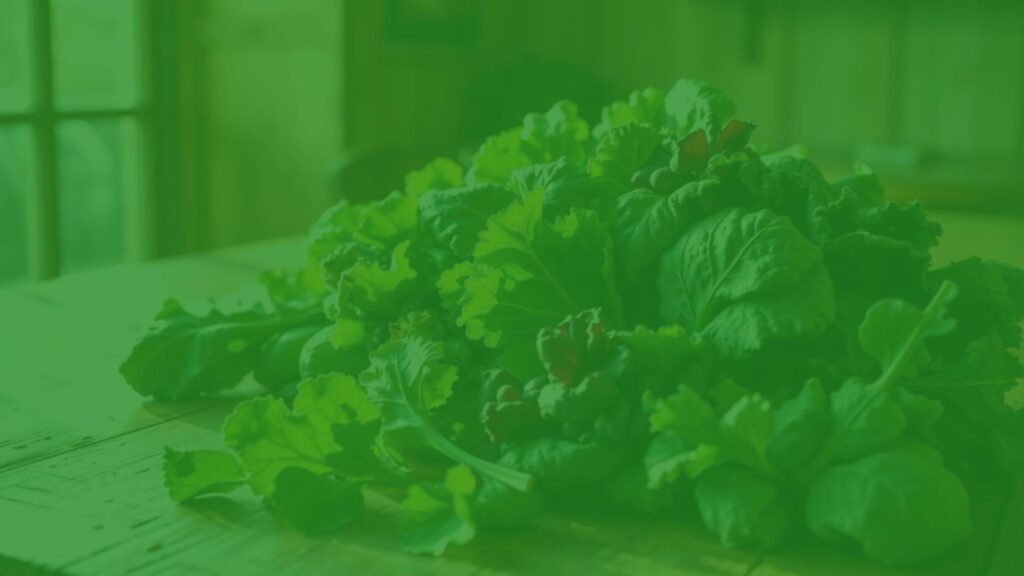
- Leafy Greens: Spinach, kale, romaine lettuce, and collard greens are among the richest sources.
- Legumes: Lentils, chickpeas, black beans, kidney beans, and peas offer high amounts of folate.
- Fruits: Oranges, avocados, bananas, and strawberries contribute notable amounts.
- Nuts and Seeds: Sunflower seeds and peanuts enhance folate intake.
- Whole Grains: Whole wheat products and fortified cereals often contain added folic acid (the synthetic form of folate).
- Fortified Foods: Many breads, cereals, and plant-based milk alternatives are fortified with folic acid, increasing overall intake and absorption.
Unlike vitamin B12, folate is abundant in plant foods, so most vegetarians can meet their needs through diet alone. Folate from food sources (naturally occurring) has somewhat lower bioavailability than the synthetic form, folic acid, used in supplements and fortification, but a varied vegetarian diet supplies rich amounts.
Recommended Intake and Special Needs
- Adults: 400 micrograms dietary folate equivalents (DFE) per day
- Pregnancy: 600 micrograms DFE per day
- Lactation: 500 micrograms DFE per day
- Children: Amounts vary by age, typically ranging from 150–300 micrograms DFE
Needs increase during pregnancy and breastfeeding due to rapid cell division and development. Athletes and those with absorption challenges may need further monitoring.
Absorption, Bioavailability, and Interactions
Folate from food is well absorbed, but some is lost through cooking and storage. Folic acid (from fortified foods and supplements) is more readily absorbed. To maximize intake:
- Eat a variety of raw and lightly cooked fruits and vegetables.
- Store foods properly to reduce nutrient loss.
- Combine sources (leafy greens, legumes, citrus) throughout the day for steady folate intake.
Alcohol can interfere with folate absorption and metabolism, so moderation is recommended.
Deficiency Risks and Symptoms
While vegetarians often consume adequate folate, deficiency can still occur, especially with poor diet variety, digestive disorders, or excessive alcohol intake. Symptoms of folate deficiency include:
- Megaloblastic anemia (fatigue, weakness, pallor)
- Digestive issues
- Glossy, sore tongue
- Poor growth (in children)
- In pregnancy, increased risk of neural tube defects in infants
Populations at higher risk include those with malabsorption conditions, pregnant individuals without supplementation, and people who consume frequent alcohol.
Supplementation
For most healthy vegetarians, dietary folate suffices. However, supplementation with folic acid is recommended during pregnancy or for those planning conception to ensure adequate stores. Supplementation should be guided by a healthcare provider, as excessive folic acid may mask vitamin B12 deficiency and cause other issues.
Practical Tips and Common Mistakes
- Focus on a variety of whole plant foods every day.
- Do not rely solely on fortified foods unless necessary; combine natural sources and fortification wisely.
- Be careful not to overcook vegetables to minimize folate loss.
- Avoid assuming all green vegetables have the same content; check food charts for specifics.
FAQ and Common Concerns
- Is it hard for vegetarians to meet folate needs?
Almost all well-planned vegetarian diets easily meet or exceed daily folate recommendations due to the high content in plant foods. - Should pregnant vegetarians supplement folic acid?
Yes, prenatal folic acid supplementation is recommended for all pregnant individuals to support fetal neural tube development. - Can too much folic acid be harmful?
While food sources are safe, excessive intake from supplements or heavily fortified products can mask B12 deficiency. Stick to recommended doses and consult your healthcare provider if unsure.
Conclusion and Encouragement
Folate (vitamin B9) is widely available in a vegetarian diet and vital for health throughout life. By consuming a diverse range of legumes, leafy greens, fruits, and fortified options, vegetarians can comfortably meet their needs. Regular attention to food variety and proper cooking methods, coupled with appropriate supplementation for special situations, ensures excellent folate status. With a little planning, vegetarians can confidently support their health through this essential nutrient.
