Introduction
Vitamin B11, better known as folate or folic acid in its synthetic form, is a water-soluble B vitamin essential for human health. For vegetarians, understanding folate is crucial because it plays key roles in cell division and tissue growth, and maintaining proper levels is important for overall well-being. While folate is found abundantly in plant foods, many people are still unaware of its importance and how to ensure adequate intake, especially when following a vegetarian diet.
Functions and Importance
Folate supports several vital bodily functions. It is necessary for DNA synthesis and repair, red blood cell production, and proper functioning of the nervous system. Folate also aids in converting homocysteine to methionine, an amino acid vital for metabolic processes. Getting enough folate is especially important for women of childbearing age to prevent neural tube defects during pregnancy.
Vegetarian Sources and Availability
The good news for vegetarians is that folate is naturally abundant in many plant foods. Top sources include:
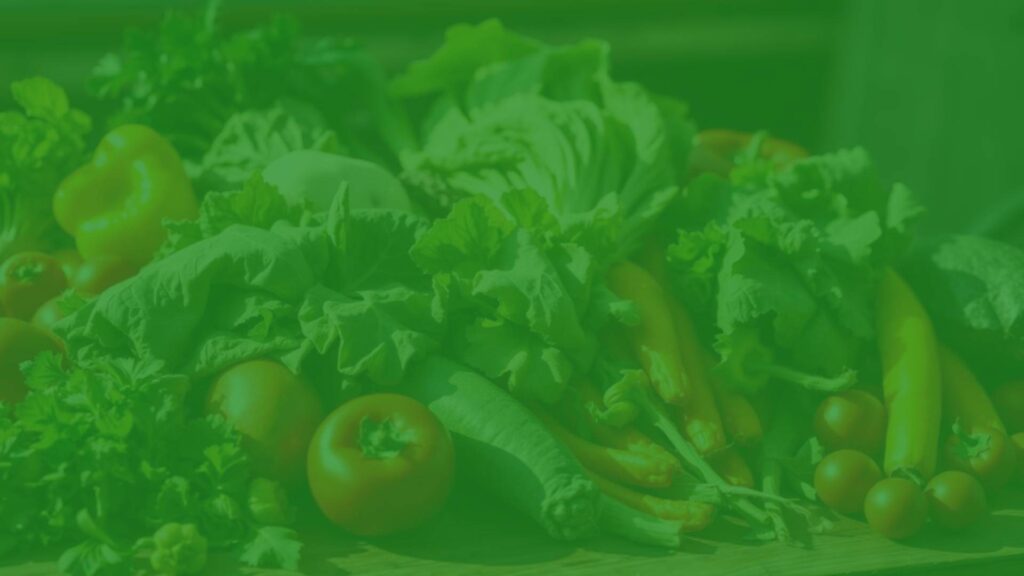
- Dark leafy green vegetables (spinach, romaine lettuce, kale, collard greens)
- Legumes (lentils, chickpeas, black beans, kidney beans)
- Asparagus, Brussels sprouts, and broccoli
- Citrus fruits and juices (orange, grapefruit)
- Avocado
- Whole grains and fortified grain products
- Nuts and seeds
Many packaged foods like breakfast cereals and breads are enriched or fortified with folic acid. While naturally occurring folate from plant foods is well-absorbed, folic acid added to foods or found in supplements has even higher bioavailability.
Recommended Intake and Special Needs
For most adults, the recommended dietary allowance (RDA) for folate is 400 micrograms (mcg) dietary folate equivalents (DFE) per day. Pregnant women are advised to consume 600 mcg DFE daily, while breastfeeding women need 500 mcg DFE. Children and adolescents require varying amounts depending on age and stage of development. Those with malabsorption issues or on certain medications may require higher intakes.
Absorption, Bioavailability, and Interactions
Folate from whole foods is less stable and may be lost during cooking or processing. Light cooking methods (like steaming or microwaving) help preserve its content. The synthetic form, folic acid, found in supplements and fortified foods, is more stable and better absorbed. Vitamin C-rich foods may help enhance folate absorption. Alcohol, certain medications, and digestive disorders can decrease absorption or increase needs.
Deficiency Risks and Symptoms
Folate deficiency is uncommon in well-balanced vegetarian diets, but it can occur, particularly with poor dietary variety or absorption problems. Symptoms include fatigue, weakness, irritability, poor concentration, headache, and in severe cases, megaloblastic anemia. Pregnant women with low folate intake risk neural tube defects in their babies. Groups at greater risk include those with digestive disorders, alcohol overuse, or increased needs (e.g., pregnancy, rapid growth).
Supplementation
Most vegetarians can meet their needs with a diverse diet rich in vegetables, legumes, and fortified products. Supplementation may be considered for women planning pregnancy, individuals with chronic malabsorption, or anyone who struggles to meet intake through food alone. Always consult a healthcare provider prior to starting supplements to determine necessity and safe dosage.
Practical Tips and Common Mistakes
- Include a variety of leafy greens and legumes in your weekly meals.
- When possible, eat fruits and vegetables raw or lightly cooked.
- Check food labels for fortification, especially on cereals and bread.
- Don’t assume all plant-based diets are high in folate—variety is key.
- Be cautious about overcooking vegetables, as this reduces folate content.
FAQ and Common Concerns
- Do vegetarians get enough folate?
- Yes, most vegetarians consume adequate folate if their diet includes plenty of leafy greens, legumes, fruits, and fortified products.
- Is there a difference between folate and folic acid?
- Folate refers to the forms naturally found in food, while folic acid is the synthetic form added to supplements or fortified foods. Both support the body’s needs, with folic acid being more readily absorbed.
- Do I need to take a supplement?
- Supplements are mainly recommended for women intending to become pregnant, people with absorption issues, or those with increased needs. A balanced vegetarian diet usually suffices for most adults.
Conclusion
Folate is an essential nutrient that vegetarians can meet easily with a well-planned diet. Focus on incorporating a variety of folate-rich foods, use gentle cooking methods to preserve its content, and consider supplementation in special cases. Being mindful of your folate intake is one more step towards optimal health on a vegetarian diet.
