Introduction
Vitamin E is a critical fat-soluble antioxidant that supports many vital functions in the body. For those following vegetarian diets, it’s important to understand the role of vitamin E and how to ensure sufficient intake to support overall well-being. Since vegetarians rely primarily on plant-based foods, understanding vitamin E sources and considerations helps prevent deficiencies and optimize health.
Basic Functions and Importance
Vitamin E is best known for its antioxidant properties, protecting cell membranes from the damaging effects of free radicals. It also plays a role in immune function, cell signaling, and the regulation of gene expression, all crucial for maintaining good health. Its functions make it essential for skin health, vision, and cardiovascular protection.
Sources and Availability in a Vegetarian Diet
Fortunately, vitamin E is widely available in plant-based foods, often making it relatively easy for vegetarians to obtain sufficient amounts through their diets. Rich vegetarian sources include:
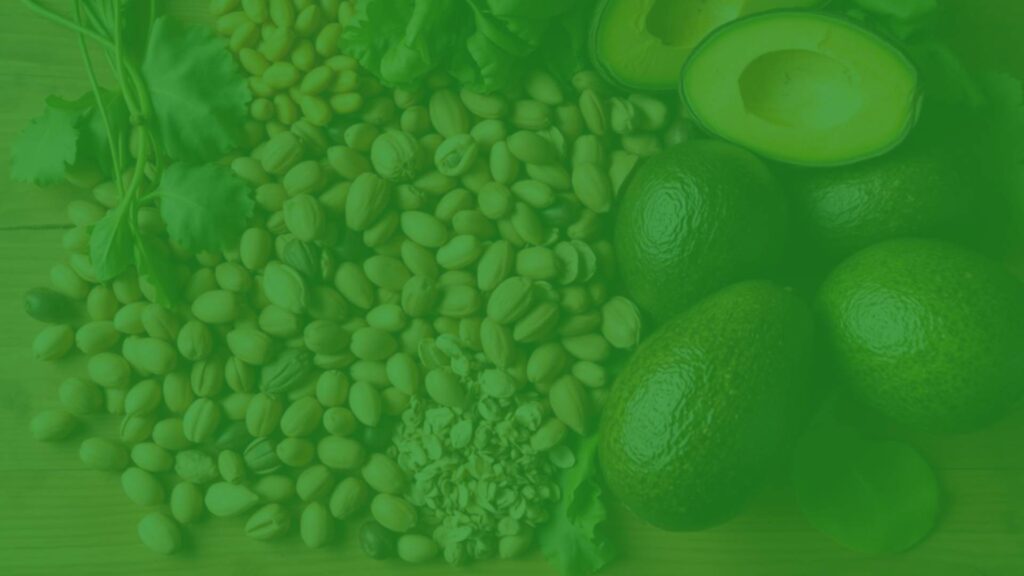
- Nuts and seeds: Almonds, sunflower seeds, hazelnuts, pine nuts, and peanuts are excellent sources.
- Plant oils: Sunflower, wheat germ, safflower, olive, and canola oils are high in vitamin E.
- Green leafy vegetables: Spinach, Swiss chard, kale, and turnip greens contribute moderate amounts.
- Fortified foods: Some breakfast cereals and plant-based milks may be fortified with vitamin E.
- Other sources: Avocado, mango, pumpkin, and broccoli offer smaller quantities.
Compared to animal products, vegetarian foods generally provide ample vitamin E, though the amount may vary depending on diet diversity and preparation.
Recommended Intake and Special Needs
The Recommended Dietary Allowance (RDA) for vitamin E (as alpha-tocopherol) is:
- Adults and children over 14 years: 15 mg (22.4 IU) per day
- Children ages 9-13: 11 mg per day
- Pregnant individuals: 15 mg per day
- Lactating individuals: 19 mg per day
Supplements may be considered for people with absorption issues or increased needs, but this is rarely necessary with a balanced vegetarian diet.
Absorption, Bioavailability, and Interactions
Since vitamin E is fat-soluble, its absorption is improved when consumed alongside dietary fats. For vegetarians, pairing vitamin E-rich foods with healthy fats (like olive oil, avocado, or nuts) can boost absorption. Highly processed and low-fat diets may reduce total intake and bioavailability. In addition, excessive intake of polyunsaturated fats increases the need for vitamin E due to higher oxidative stress.
Vitamin E absorption is generally not impaired by plant-based eating, but conditions that cause fat malabsorption (such as celiac disease or cystic fibrosis) may hinder its uptake.
Deficiency Risks and Symptoms
Vitamin E deficiency is rare in healthy vegetarians, but can occur in cases of fat malabsorption. Deficiency symptoms include impaired immune response, nerve and muscle damage (neuropathy), difficulty with coordination, and vision problems. Newborns, individuals with digestive disorders, or those on very low-fat diets are most at risk.
Supplementation
Most vegetarians can meet their vitamin E needs through a varied diet. Supplementation is generally unnecessary unless prescribed for a diagnosed deficiency or in cases of chronic fat malabsorption. Over-supplementation can be harmful; always consult a healthcare provider before starting vitamin E supplements.
Practical Tips and Common Mistakes
- Include a variety of nuts, seeds, and plant oils in your daily meals and snacks.
- Add vitamin E-rich leafy greens to salads, smoothies, or cooked dishes.
- Use healthy fats (like olive oil or avocado) to cook or dress vegetables for better absorption.
- Avoid consistently low-fat or highly processed diets that may limit vitamin E intake.
- Be cautious with supplementation and focus first on whole food sources.
A common misconception is that only animal products provide important vitamins—vitamin E is actually most abundant in plant foods!
FAQ and Common Concerns
- Can I get enough vitamin E on a vegan or vegetarian diet?
Yes, a well-planned vegetarian or vegan diet with varied nuts, seeds, and healthy fats can fully meet vitamin E requirements. - Do I need to worry about deficiency?
Most healthy vegetarians are not at risk. Those with conditions affecting fat digestion should seek advice and possibly get their levels checked. - Are supplements necessary?
Supplements are seldom needed if you eat a diverse plant-based diet. Only use them under medical supervision.
Conclusion
Vitamin E is an important antioxidant, easily sourced from a wide variety of vegetarian foods. With mindful planning—including regular consumption of nuts, seeds, plant oils, and green vegetables—vegetarians can comfortably meet their vitamin E needs and support long-term health. Balanced, thoughtful meal choices make adequacy simple, supporting the overall benefits of a plant-based lifestyle.
