Introduction
Beta-carotene is a plant-derived compound that serves as a vital precursor to vitamin A, making it highly relevant for those following a vegetarian diet. Since vegetarians do not consume animal-based vitamin A (retinol), attention to beta-carotene intake is essential for maintaining adequate vitamin A status and supporting overall health.
Functions and Importance of Beta-Carotene
Beta-carotene belongs to a group of pigments known as carotenoids and is a powerful antioxidant. In the body, it is converted into vitamin A as needed. Vitamin A is necessary for normal vision, a healthy immune system, reproduction, and the maintenance of skin and mucous membrane integrity. Beta-carotene also contributes to protection against cellular damage from free radicals.
Vegetarian Sources and Availability
Beta-carotene is abundant in many colorful fruits and vegetables. The most reliable vegetarian sources include:
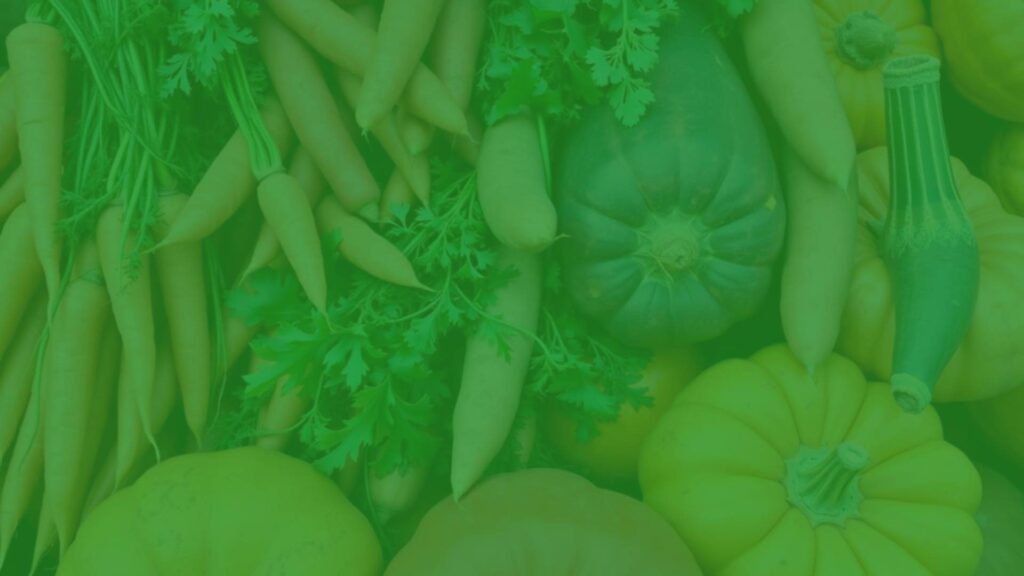
- Carrots (especially raw or lightly cooked)
- Sweet potatoes
- Pumpkins and squashes
- Dark leafy greens (such as spinach, kale, and collard greens)
- Red and orange peppers
- Mangoes, cantaloupe, and apricots
Unlike preformed vitamin A (retinol) from animal products, plant foods provide beta-carotene which the body must convert to vitamin A. This conversion can be less efficient depending on individual factors and dietary composition.
Recommended Intake and Special Needs
There is no separate recommended daily allowance (RDA) for beta-carotene, as vitamin A requirements are typically expressed as retinol activity equivalents (RAE). For adults, the RDA for vitamin A is:
- Men: 900 micrograms (mcg) RAE per day
- Women: 700 mcg RAE per day
Vegetarians rely on beta-carotene and other provitamin A carotenoids, so they may need to pay extra attention to consuming a variety of rich sources, especially during times of increased need such as pregnancy, lactation, or periods of rapid growth.
Absorption, Bioavailability, and Interactions
The absorption of beta-carotene from plant foods is influenced by several factors:
- Fat intake: Beta-carotene is fat-soluble, so eating it with a little healthy fat (such as olive oil, nuts, or avocado) enhances absorption.
- Food preparation: Chopping, pureeing, or lightly cooking beta-carotene-rich foods can increase bioavailability.
- Fiber: Very high fiber intake may decrease absorption.
Mixing various carotenoid-rich fruits and vegetables is an effective strategy to boost provitamin A intake on a vegetarian diet.
Deficiency Risks and Symptoms
Insufficient intake of vitamin A from beta-carotene-rich foods may lead to deficiency, with symptoms including impaired night vision, dry skin, decreased immunity, and in severe cases, vision loss. Populations at higher risk include:
- Young children (especially picky eaters)
- Pregnant and breastfeeding women
- Individuals with digestive disorders affecting fat absorption
Regularly including a range of colored produce significantly reduces deficiency risk.
Supplementation
Most vegetarians can meet their vitamin A needs through diet alone if they eat ample colorful produce. Supplementation of beta-carotene is usually not necessary and can be harmful in excess, particularly for smokers. Only take beta-carotene supplements if advised by a healthcare professional.
Practical Tips and Common Mistakes
- Include at least one orange, yellow, or dark green vegetable or fruit at every meal.
- Add a small amount of healthy fat when preparing vegetables for better absorption.
- Avoid relying exclusively on one source—variety is key.
- Do not overcook vegetables, as this may lower beta-carotene levels.
Common misconceptions include believing that all plant foods provide vitamin A directly—only provitamin A carotenoids like beta-carotene can be converted; not all vegetarian foods contain them.
FAQ: Beta-Carotene and Vegetarian Diets
- Can you get enough vitamin A from plants? Yes, with a diet rich in beta-carotene and other carotenoids, vegetarians can meet their needs for vitamin A.
- Is there a risk of too much beta-carotene? Excessive intake from food is generally safe, but very high amounts can cause harmless orange skin color (carotenemia). Supplements should be used only when recommended.
- Are raw or cooked sources better? Lightly cooked sources often have better absorption, especially when consumed with fat.
Conclusion
Beta-carotene is an important nutrient for vegetarians, serving as a crucial source of vitamin A. With proper dietary planning and attention to food preparation, most vegetarians can easily meet their needs. Embrace a rainbow of fruits and vegetables and enjoy the benefits that beta-carotene-rich foods bring to a healthy vegetarian lifestyle!
