Introduction
Inositol is a naturally occurring compound, often classified with B vitamins, though it is not officially considered a vitamin itself. It plays an essential role in various biological processes, making it an important focus for those following a vegetarian diet. While outright deficiency is rare, vegetarians may still want to understand its sources, functions, and how to support optimal intake to maintain overall well-being.
Basic Functions and Importance
Inositol is vital for cell membrane structure and signaling. It participates in neurotransmitter function—helping regulate mood, cognition, and nerve signaling—and is involved in cellular processing of fats and sugars. Its importance extends to liver health, fertility, and even insulin sensitivity, making it an essential nutrient for diverse aspects of health.
Sources and Availability in a Vegetarian Diet
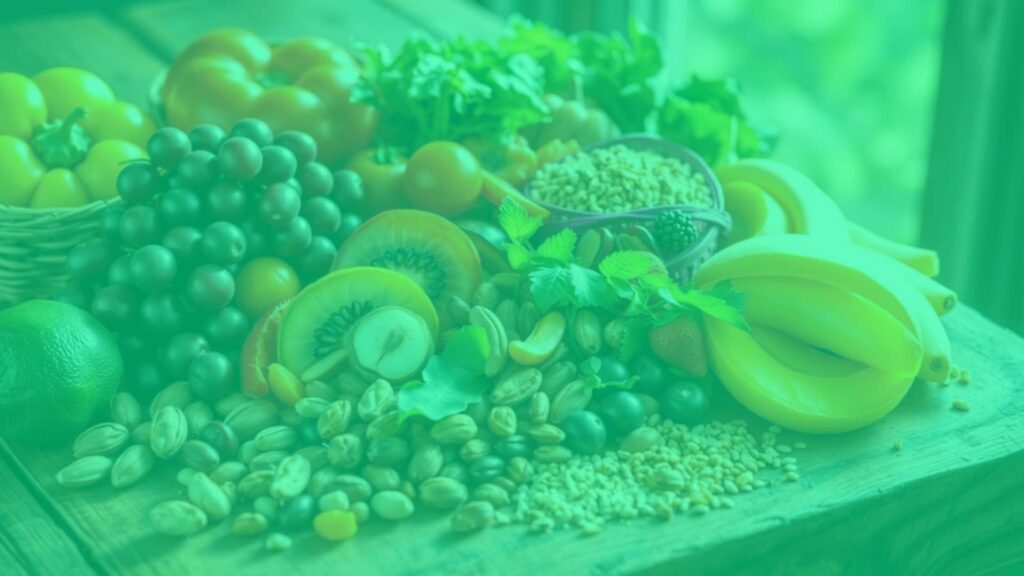
Fortunately, inositol is widely available in plant-based foods. Key vegetarian sources include:
- Fruits (especially oranges, cantaloupe, and bananas)
- Beans and legumes
- Whole grains (such as brown rice, oats, and wheat bran)
- Nuts and seeds
- Vegetables (like potatoes and leafy greens)
The body can also synthesize its own inositol, so obtaining adequate amounts solely from food is realistic for most vegetarians. However, note that some plant-based forms are bound in phytate (phytic acid), potentially affecting bioavailability.
Recommended Intake and Special Needs
There isn’t an officially established recommended daily allowance (RDA) for inositol, as healthy individuals usually achieve sufficient levels through a balanced diet and natural synthesis in the body. Research and supplementation studies often use doses ranging from a few hundred milligrams up to 4 grams daily, mainly for specific medical conditions. Special populations (such as pregnant women or people with certain metabolic or mental health concerns) should consult a healthcare provider about their needs.
Absorption, Bioavailability, and Interactions
Inositol from food is generally well-absorbed, but some of it in plants is present as phytic acid, which is not as readily absorbed by humans. Cooking, soaking, and sprouting grains and legumes can help improve bioavailability. There are no major interactions with other nutrients, though a diet rich in fiber and variety supports optimal nutrient absorption overall.
Deficiency Risks and Symptoms
True inositol deficiency in humans is uncommon, partly due to its wide availability and endogenous production. However, inadequate intake or impaired metabolism may contribute to issues like mood disturbances, increased insulin resistance, or liver fat accumulation. Vegetarians rarely face true deficiency if consuming a varied, whole-foods-based diet.
Supplementation
For most vegetarians, supplementation is not necessary. However, inositol supplements have been studied in high doses for specific conditions (e.g., polycystic ovary syndrome, mental health concerns), but these uses should only be considered under medical supervision. It’s important to consult a healthcare professional before starting any supplementation regimen.
Practical Tips and Common Mistakes
- Focus on a varied diet including fruits, whole grains, legumes, nuts, and vegetables.
- Opt for minimally processed foods to maximize inositol content.
- Use cooking methods such as soaking and sprouting to increase availability from legumes and grains.
- Avoid excessive reliance on refined grains or sugary snacks, as they are lower in inositol and nutrients overall.
FAQ or Common Concerns
- Is inositol hard to get on a vegetarian diet?
No. It is widely present in many plant-based foods, and the body can make its own. - Can vegetarians become deficient in inositol?
Deficiency is very rare; a balanced diet covers needs for nearly all people. - Are there special concerns for vegans?
No, as inositol is abundant in the vegan diet’s staples (fruits, grains, legumes). - Do I need to supplement inositol?
In most cases, no, unless recommended by a healthcare provider for specific medical issues.
Conclusion / Encouragement
Inositol is a beneficial compound that supports nerve, metabolic, and liver health, and it is widely available in vegetarian diets. With attention to variety and whole foods, vegetarians can meet their inositol needs easily. Knowledge and good dietary habits ensure comprehensive nutrient coverage and support long-term health.
