Introduction
Phosphorus is a critical mineral for the human body, playing an essential role in bone and tooth health, energy production, and cellular functions. For those following a vegetarian diet, understanding phosphorus’s role, sources, and specific considerations is important to maintain optimal health.
Basic Functions and Importance
Phosphorus is the second most abundant mineral in the human body. It is a major component of bones and teeth, contributes to DNA and RNA structure, supports energy metabolism (ATP), and helps with acid-base balance in cells. Adequate phosphorus is vital for growth, cell repair, and maintaining healthy tissue and organs.
Sources and Availability in a Vegetarian Diet
Phosphorus is widely available in plant-based foods, making it one of the less challenging minerals for vegetarians to obtain. Rich vegetarian sources include:
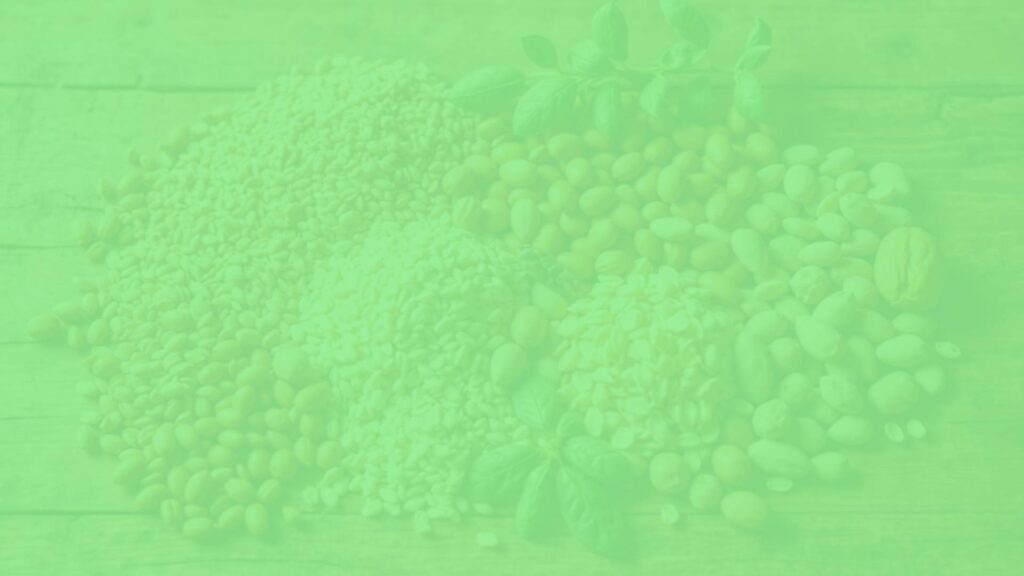
- Whole grains (brown rice, oats, quinoa, whole wheat bread)
- Legumes (lentils, chickpeas, beans, peas)
- Nuts and seeds (sunflower seeds, almonds, pumpkin seeds)
- Dairy products (for lacto-vegetarians)
- Eggs (for ovo-vegetarians)
- Tofu and tempeh
Phosphorus in plant foods is often present as phytic acid (phytate). Although this form is not as easily absorbed as that from animal products, most vegetarians consuming a varied and adequate diet still obtain sufficient phosphorus.
Recommended Intake and Special Needs
The Recommended Dietary Allowance (RDA) for adults is 700 mg per day. Children, adolescents, and pregnant or lactating women have higher needs. Generally, phosphorus deficiency from low intake is rare, as most diets easily meet or exceed daily requirements, even in vegetarian populations.
Absorption, Bioavailability, and Interactions
The absorption of phosphorus from plant foods can be reduced due to its binding with phytates. However, soaking, sprouting, or fermenting foods (like legumes and grains) can help lower phytate content and enhance phosphorus bioavailability. Diets very high in calcium, aluminum-containing antacids, or excessive iron supplements can also inhibit phosphorus absorption.
Deficiency Risks and Symptoms
Phosphorus deficiency is rare and usually linked to medical conditions rather than diet alone. Symptoms may include weak muscles, bone pain, fatigue, loss of appetite, or irregular breathing. Strict vegans who consume mostly highly processed foods and very few whole plant foods, or those with chronic health conditions affecting absorption, may be at higher risk.
Supplementation
In most cases, vegetarians do not require phosphorus supplements. The mineral is abundant in a varied vegetarian diet. Supplementation should only be considered if recommended by a healthcare provider in cases of diagnosed deficiency or specific health conditions.
Practical Tips and Common Mistakes
- Include a variety of whole grains, legumes, nuts, and seeds daily.
- Consider food preparation techniques like soaking, sprouting, or fermenting to improve phosphorus absorption.
- Do not rely solely on highly processed vegetarian foods, which may be lower in natural phosphorus and higher in additives.
- Be cautious with calcium or iron supplements, as excessive use can impact phosphorus status.
FAQ or Common Concerns
- Q: Is it easy to get enough phosphorus on a vegetarian diet?
A: Yes, phosphorus is plentiful in most plant foods. A balanced vegetarian diet almost always provides sufficient amounts. - Q: Should vegetarians worry about phosphorus deficiency?
A: Not usually, unless there are underlying absorption issues or an extremely limited diet. True deficiency is rare. - Q: Are there risks of excess phosphorus in vegetarian diets?
A: High phosphorus intake can be a concern mostly due to food additives in processed foods, so limiting processed items is wise.
Conclusion
Phosphorus is an essential mineral that supports many vital functions, and vegetarians can generally meet their needs with a balanced, varied diet rich in whole grains, legumes, nuts, and seeds. Attention to food preparation and moderating processed food intake can help optimize phosphorus nutrition. With good planning, people following a vegetarian lifestyle can confidently maintain healthy phosphorus levels and overall well-being.
