Introduction
Chloride is an important electrolyte and mineral that plays a critical role in maintaining bodily functions. For those following a vegetarian diet, understanding chloride’s sources, functions, and requirements is important to support overall health. While chloride deficiencies are rare, awareness ensures optimal hydration, digestion, and acid-base balance.
Basic Functions and Importance
Chloride works closely with sodium and potassium to help balance fluids inside and outside cells. It is crucial for:
- Regulating fluid balance and blood pressure
- Maintaining proper acid-base equilibrium in the body
- Supporting nerve function and transmission
- Producing hydrochloric acid (HCl) in the stomach, essential for digestion
Without enough chloride, digestion and cell function can be compromised.
Sources and Availability in a Vegetarian Diet
Chloride naturally occurs in many foods, and most people get sufficient amounts through their diets. The primary source for vegetarians and non-vegetarians alike is common table salt (sodium chloride). Besides salt, vegetarian sources include:
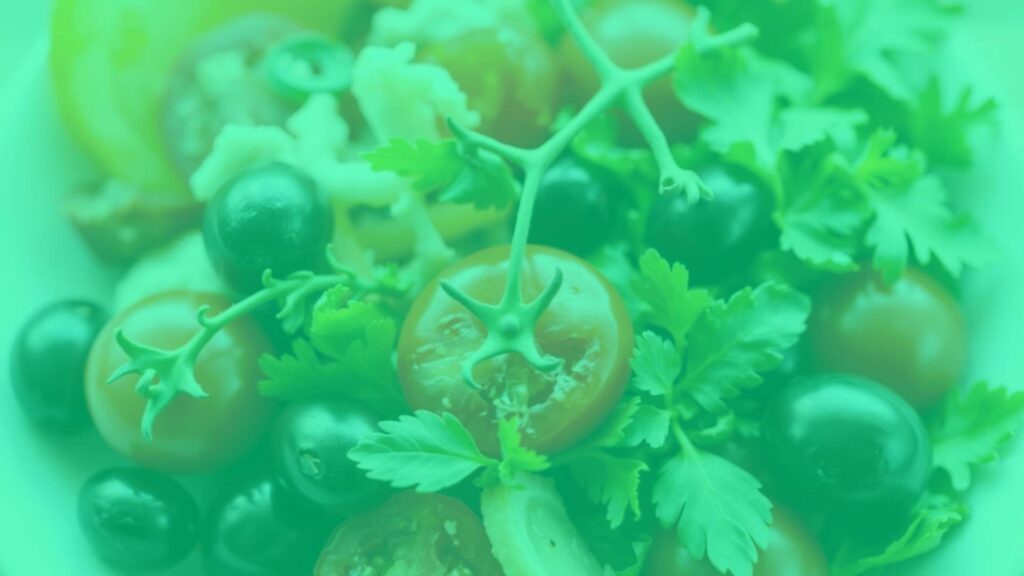
- Tomatoes and tomato products
- Celery
- Lettuce
- Olives and sea vegetables (such as seaweed)
- Rye and whole grains
- Processed foods (due to added salt)
Chloride from both plant and animal foods is well absorbed. Ovolactovegetarians may sometimes obtain additional chloride from dairy products or eggs, but purely plant-based eaters typically meet needs through vegetables and added salt.
Recommended Intake and Special Needs
For adults, the recommended adequate intake (AI) of chloride is about 2,300 mg per day. Children, teens, and older adults require varying amounts based on age and health. During periods of high sweat losses (e.g., hot climate, prolonged exercise), needs can increase.
Pregnant and breastfeeding women generally need slightly more to support increased blood volume and milk production.
Most vegetarians meet chloride requirements without much difficulty, as salt is commonly used in food preparation and processing.
Absorption, Bioavailability, and Interactions
Chloride is efficiently absorbed in the small intestine. Because it is tied closely to sodium intake (as sodium chloride), consuming foods with salt ensures absorption. Excessive intake is excreted in urine.
Note that excessive sweating (due to exercise or heat) and some medical conditions may increase chloride loss. Foods high in potassium (common in vegetarian diets) complement chloride’s functions in fluid and electrolyte balance.
Deficiency Risks and Symptoms
Chloride deficiency is rare in vegetarian diets but may occur with:
- Chronic vomiting (leading to loss of stomach acid)
- Use of certain diuretics
- Severe dehydration
- Excessive sweating without adequate replacement
Signs of deficiency include muscle weakness, cramps, lethargy, loss of appetite, and, in severe cases, metabolic alkalosis (an acid-base disturbance).
Supplementation
Supplementation is rarely necessary except under medical supervision, such as in people with significant, ongoing losses. Most people—vegetarians included—do not require chloride supplements. Consult a healthcare professional before considering supplementation, especially if advised to follow a low-salt diet for medical reasons.
Practical Tips and Common Mistakes
- While reducing excessive salt intake is wise for heart health, a moderate amount is needed for adequate chloride.
- Include a variety of fresh vegetables, grains, and, if desired, sea vegetables for natural chloride sources.
- Avoid over-restricting salt unless directed by a medical provider.
- Hydrate adequately, especially during hot weather or heavy exercise.
Mistaking chloride needs with sodium alone is a common error—both are important but serve different functions in the body.
FAQ: Common Concerns
- Is it hard to get enough chloride on a vegetarian diet?
No, most vegetarians obtain sufficient chloride from vegetables and added salt. - Should I take a chloride supplement?
Supplements are usually not necessary and should only be used if recommended by a healthcare provider. - Can low-salt diets cause chloride deficiency?
It’s rare, but possible if salt is severely restricted. Monitor for symptoms if on a low-sodium diet. - Are plant-based sources enough for athletes or those in hot climates?
Usually, yes—just be sure to replace fluids and electrolytes lost through sweat, possibly with a bit of added salt if needed.
Conclusion
Chloride is a vital mineral for maintaining fluid, acid-base balance, and digestive health. In vegetarian diets, getting enough is generally not difficult thanks to its presence in salt, vegetables, and processed foods. With mindful eating and attention to hydration and salt, most vegetarians can easily meet their chloride needs and support optimal wellness.
