Introduction
Protein is a fundamental nutrient necessary for building, repairing, and maintaining body tissues. In vegetarian diets, ensuring adequate protein intake is often a common concern, as traditional diets rely heavily on animal-derived sources. Understanding how to meet protein needs healthfully on a vegetarian diet is key to optimizing health and preventing deficiencies.
Basic Functions and Importance
Proteins are made up of amino acids that serve as the building blocks for muscles, enzymes, hormones, immune molecules, hair, nails, and countless body processes. They are essential for growth, immune defense, and tissue repair. Without enough protein, physical and mental development, healing, and overall function can be compromised.
Sources and Availability in a Vegetarian Diet
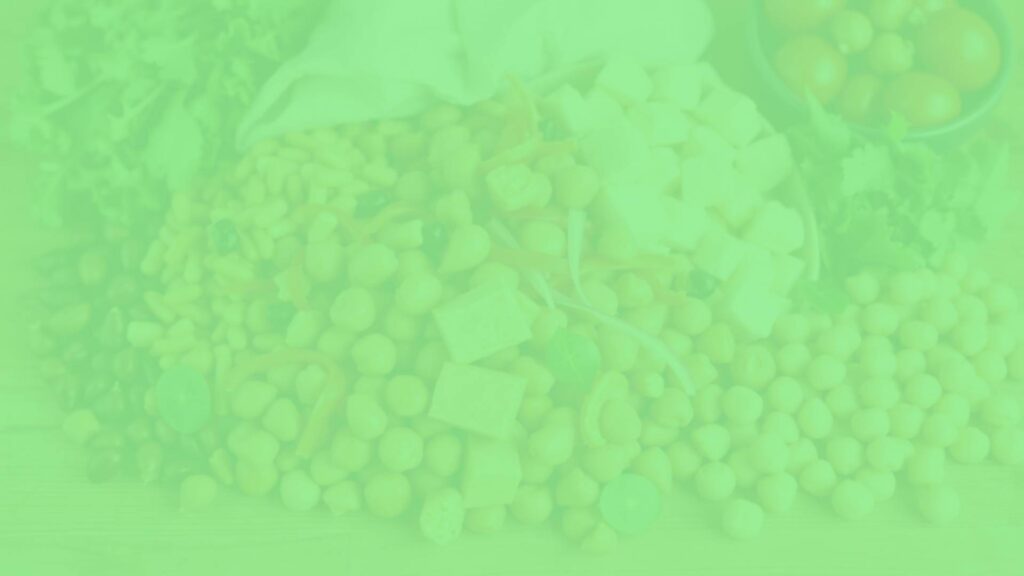
Vegetarian diets can readily provide sufficient protein by including a diversity of foods. Excellent protein sources for vegetarians include:
- Legumes (beans, lentils, peas, chickpeas)
- Soy products (tofu, tempeh, soy milk, edamame)
- Nuts and seeds (almonds, walnuts, chia seeds, sunflower seeds)
- Whole grains (quinoa, buckwheat, oats, brown rice, wheat)
- Dairy products (milk, yogurt, cheese) and eggs (for lacto-ovo vegetarians)
Most plant proteins are considered “incomplete,” meaning they lack one or more essential amino acids. However, by eating a variety of protein sources throughout the day—such as combining grains with legumes—a vegetarian can easily achieve a full amino acid profile.
Recommended Intake and Special Needs
For healthy adults, the Recommended Dietary Allowance (RDA) for protein is 0.8 grams per kilogram of body weight per day. This may vary according to age, gender, pregnancy, lactation, or athletic activity. Some experts recommend that vegetarians aim for slightly more protein (around 10%-20% above the RDA) to account for differences in digestibility and amino acid makeup in plant proteins.
Absorption, Bioavailability, and Interactions
Unlike most animal proteins, some plant proteins are digested and absorbed slightly less efficiently. Cooking, soaking, sprouting, and fermenting legumes and grains can improve protein digestibility and bioavailability. Combining foods, like rice and beans, helps cover all essential amino acids over the course of meals and days.
Deficiency Risks and Symptoms
Protein deficiency is rare in well-planned vegetarian diets, but inadequate intake may lead to symptoms such as muscle loss, fatigue, poor immune function, and slow recovery from illness. Individuals most at risk include those with limited appetites, high energy needs, or diets composed mostly of refined grains and processed foods.
Supplementation
Most vegetarians can meet their protein needs with whole foods. Protein supplements (such as soy or pea protein powders) might be useful in special cases, such as for athletes or those with increased requirements, but should not be relied upon as a primary source. It’s always advisable to consult a healthcare professional before starting any supplementation.
Practical Tips and Common Mistakes
- Include a variety of protein-rich foods daily, such as legumes, nuts, seeds, whole grains, and (if applicable) dairy or eggs.
- Avoid over-reliance on processed vegetarian products, which may be low in protein and high in additives.
- Don’t stress about “protein combining” at every meal; variety over the day is sufficient.
- Remember that even vegetables and grains contribute some protein.
- Watch out for potential underconsumption in children, pregnant women, or elderly vegetarians.
FAQ and Common Concerns
- Can vegetarians get enough protein without meat?
- Yes. Many plant-based foods provide ample protein. When a variety of sources are included, vegetarians can meet or exceed protein needs.
- Are plant proteins inferior to animal proteins?
- Plant proteins can be slightly less digestible and may lack certain amino acids individually, but this is easily overcome by combining different plant foods throughout the day.
- Do I need to eat special foods to get complete protein?
- No. A diverse vegetarian diet that includes legumes, grains, nuts, seeds, and (optionally) dairy or eggs will provide all essential amino acids.
Conclusion and Encouragement
Proteins are vital for health, and vegetarians can confidently meet their needs through a balanced, varied diet. By including multiple sources of plant protein and paying attention to overall food patterns, those on vegetarian diets can thrive without concern for protein deficiency. With planning and awareness, protein adequacy is not only possible but easily achievable on a vegetarian diet.
