Introduction
Vitamin B12 is an essential nutrient that plays a vital role in maintaining nerve health, producing red blood cells, and supporting DNA synthesis. For vegetarians, paying close attention to B12 is especially important, as its reliable natural sources are primarily animal-derived foods. Understanding how to meet B12 needs is crucial for optimizing health and preventing deficiency.
Basic Functions and Importance
Vitamin B12 (cobalamin) is involved in several critical processes in the body:
- Supporting the normal function of the nervous system
- Helping to form healthy red blood cells and prevent anemia
- Facilitating DNA synthesis and cell division
Adequate B12 is vital for energy, cognitive performance, and overall well-being. Deficiency can have significant health implications.
Sources and Availability in a Vegetarian Diet
Unlike many other vitamins, B12 is naturally found almost exclusively in animal-based products such as meat, fish, poultry, dairy, and eggs. For vegetarians, especially those following a vegan diet, food sources are limited. Options include:
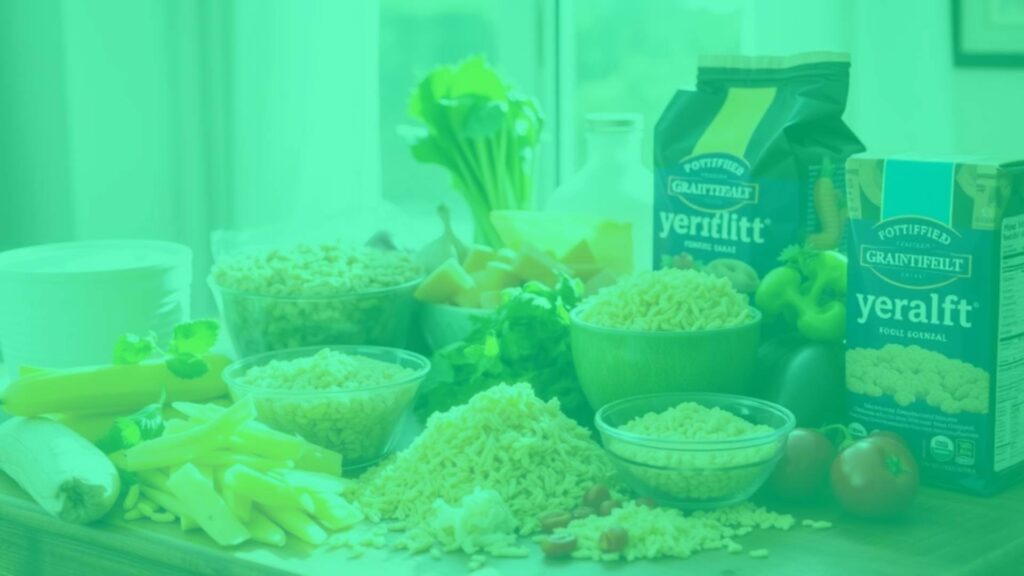
- Fortified foods (such as plant milks, breakfast cereals, and nutritional yeast labeled as fortified with B12)
- Dairy products and eggs (for lacto-ovo vegetarians)
- B12 supplements (as tablets, liquids, or sprays)
Plant foods (except when fortified) do not contain significant amounts of active B12. Some fermented foods and certain seaweeds contain B12 analogues, but these are not reliable or recommended sources for humans.
Recommended Intake and Special Needs
The Recommended Dietary Allowance (RDA) for vitamin B12 for adults is:
- 2.4 micrograms (mcg) per day for adults
- 2.6 mcg for pregnant women
- 2.8 mcg for breastfeeding women
Older adults, pregnant or breastfeeding individuals, and those with certain medical conditions may need higher intakes or more frequent supplementation. Children have lower requirements proportional to age.
Absorption, Bioavailability, and Interactions
B12 absorption involves a complex process starting in the stomach with a protein called intrinsic factor. Dairy and eggs provide ‘active’ B12, but their levels can be relatively lower than meat. Fortified foods and supplements contain B12 in a free form, which is readily absorbed by most people.
Factors that may reduce absorption include digestive disorders (e.g., atrophic gastritis, celiac disease), aging, and low stomach acidity. Spreading B12 intake throughout the day (e.g., several servings of fortified foods) can increase overall absorption, as only a small amount is absorbed at a time.
Deficiency Risks and Symptoms
B12 deficiency can develop slowly, as the body stores several years’ worth. Symptoms may include:
- Fatigue and weakness
- Numbness or tingling in hands and feet
- Poor memory or concentration
- Anemia
- Mood changes or depression
Vegetarians—especially vegans, older adults, and pregnant or breastfeeding women—are at higher risk of deficiency. Regular blood testing and monitoring for symptoms are recommended for those at risk.
Supplementation
For those not regularly consuming dairy, eggs, or adequate B12-fortified foods, supplementation is strongly recommended. Supplements are available in a variety of forms and doses. Common safe and effective approaches include:
- 25–100 mcg daily, or
- 1,000 mcg twice weekly
Always consult a healthcare provider before beginning supplementation, particularly if you have a medical condition or take medications.
Practical Tips and Common Mistakes
- Include B12-fortified foods daily or take a reliable supplement.
- Do not rely on unfortified plant foods (including seaweed, spirulina, or tempeh) for B12.
- Have your B12 status checked periodically, especially if you have symptoms or risk factors.
- Be wary of myths: “pseudo-B12” compounds in some plant foods are inactive for humans.
FAQ or Common Concerns
- Can I get B12 from plants or organic vegetables?
No, unless these foods are fortified. Soil bacteria can produce B12, but typical food washing and preparation remove these traces. - Is fortified B12 as good as animal-derived B12?
Yes, the B12 used for fortification and supplements is bioidentical and effectively absorbed by healthy individuals. - How quickly can B12 deficiency develop on a vegetarian diet?
It may take years if body stores are full, but regular intake is essential to prevent gradual depletion and deficiency.
Conclusion / Encouragement
Vitamin B12 is one nutrient that requires special consideration in vegetarian nutrition. With mindful planning—through fortified foods, reliable supplementation, and regular monitoring—vegetarians can easily meet their B12 needs and prevent deficiency. A well-planned vegetarian diet supports long-term health and energy for everyone.
