Introduction
Aquafaba is a unique and innovative ingredient that has gained significant popularity in vegetarian and vegan cooking. Derived from the Latin words for “water” and “bean,” aquafaba refers to the viscous liquid left over from cooking legumes, most commonly chickpeas. Its ability to mimic the functional properties of egg whites has made it a staple in many plant-based kitchens worldwide.
Description and Characteristics
Aquafaba appears as a pale, slightly yellow, semi-thick liquid. It has a very mild, neutral flavor that generally does not interfere with the taste of dishes. The texture is similar to uncooked egg whites, which allows it to be whipped into soft or stiff peaks, making it remarkably versatile for both savory and sweet recipes.
How It’s Made or Grown
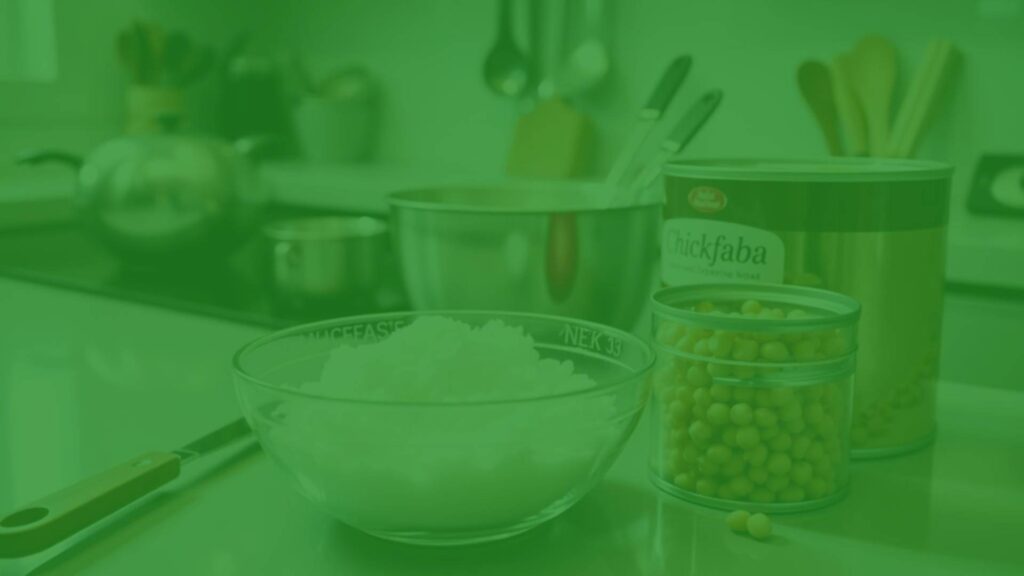
Aquafaba is typically sourced as the liquid from a can of cooked chickpeas or by cooking dried chickpeas at home and reserving the cooking water. During the cooking process, soluble plant solids such as starches and proteins leach from the legumes into the water, creating a thickened, slightly gelatinous liquid. This transformation lends aquafaba its unique culinary properties. While traditionally a byproduct, it is now valued as an ingredient in its own right.
Culinary Uses
The primary culinary appeal of aquafaba is its ability to serve as an egg white substitute. It can be used to make vegan meringues, mousses, marshmallows, mayonnaise, and baked goods such as cakes and cookies. In savory dishes, it can act as a binder in veggie burgers or provide lightness to batters and sauces. Aquafaba is also commonly found in plant-based versions of aioli, pancakes, and waffles. Its relatively neutral flavor means it adapts well to both sweet and savory applications.
Nutrition and Health Aspects
Aquafaba contains trace amounts of protein and carbohydrates, but it is not considered a significant source of calories, fiber, or vitamins. Its primary value in the diet is as an allergen-free alternative for those avoiding eggs because of allergies, cholesterol, or ethical reasons. It also contains minimal amounts of fat and is generally sodium-free if made from unsalted chickpeas.
Comparison and Alternatives
Compared to traditional egg whites, aquafaba is plant-based, allergen-friendly, and cholesterol-free. Other egg replacers include flaxseeds, chia seeds, commercial egg replacement powders, or apple sauce, but these do not replicate the foam-forming qualities of aquafaba. For recipes needing whipped volume or delicate texture, aquafaba is typically preferred over other substitutes.
FAQ or Common Concerns
- Is it gluten-free? Yes, aquafaba is naturally gluten-free as long as the chickpeas and any processing equipment are gluten-free.
- Is aquafaba vegan? Yes, since it is derived entirely from plants, it is suitable for vegans.
- Does it taste like beans? When used in recipes, aquafaba usually does not impart a bean flavor, especially when combined with other ingredients.
- Can you use aquafaba from other beans? While chickpea aquafaba is most common due to its neutral flavor and consistency, liquid from other light-colored beans can also be used, though results may vary.
- How much aquafaba equals one egg? About 3 tablespoons of aquafaba can replace one whole egg or one egg white in most recipes.
Conclusion
Aquafaba has transformed the possibilities of plant-based and allergy-friendly cooking. Its remarkable ability to substitute for eggs in a variety of recipes not only helps create delicious vegan treats but also reduces food waste by making use of a common kitchen byproduct. Give aquafaba a try in your favorite recipes and explore the creativity and versatility it can offer in vegetarian cuisine!
