Introduction
Chia seeds have gained worldwide popularity as a versatile superfood, especially among those following vegetarian and plant-based diets. Originally cultivated by ancient civilizations such as the Aztecs and Maya in Central and South America, chia seeds are now a staple ingredient in many modern kitchens due to their impressive nutritional profile and functional uses.
Description and Characteristics
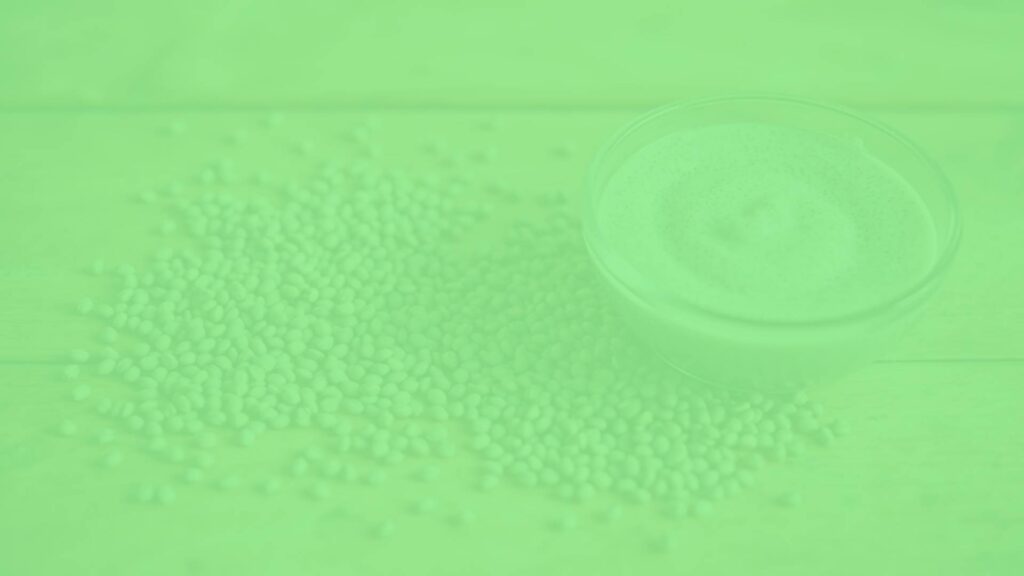
Chia seeds are tiny, oval-shaped seeds, usually black, white, or mottled grey in color. Their mild, neutral taste makes them suitable for both sweet and savory recipes. When soaked in liquid, chia seeds develop a unique gel-like coating, creating a distinctive, thick texture often appreciated in puddings and beverages. Raw, they have a slight crunch and can be sprinkled directly onto foods like cereals, yogurt, or salads.
How Chia Seeds Are Produced and Harvested
Chia comes from the Salvia hispanica plant, a member of the mint family. The plant thrives in warm climates and is typically cultivated in countries like Mexico, Bolivia, Argentina, and Australia. Once the plant flowers and seeds mature, the seeds are harvested, cleaned, and packaged with minimal processing—making them a wholly natural product.
Culinary Uses
Chia seeds are incredibly versatile in vegetarian and plant-based cooking. They are commonly used to:
- Thicken puddings, smoothies, and yogurts by soaking in liquid.
- Form vegan egg replacers by mixing with water to create a gel.
- Add crunch and nutrition to baked goods, energy bars, salads, and cereals.
- Top oatmeal or stir into sauces and soups for extra fiber and texture.
Their ability to absorb liquid makes them a favorite for overnight oats and no-bake desserts.
Nutrition and Health Aspects
Chia seeds are celebrated for their dense nutritional content. They are an excellent source of plant-based omega-3 fatty acids (especially alpha-linolenic acid), dietary fiber, protein, calcium, magnesium, and antioxidants. Regular inclusion in the diet may contribute to heart health, digestive wellness, and sustained energy. They contain no gluten or cholesterol, making them suitable for a variety of dietary needs.
Comparison and Alternatives
Chia seeds can be compared to other plant seeds like flaxseeds and hemp seeds, all of which provide healthy fats, fiber, and protein. Flaxseeds, for example, also offer omega-3s but usually require grinding to access nutrients. Psyllium husk is another alternative for thickening or adding fiber to foods, though it lacks chia’s omega-3 content.
FAQ / Common Concerns
- Are chia seeds gluten-free? Yes, they are naturally gluten-free.
- Are they suitable for vegans? Absolutely—chia seeds are entirely plant-based.
- Do chia seeds require cooking? No, they can be eaten raw or soaked. However, soaking is recommended to maximize digestibility and minimize potential choking hazards.
- How should chia seeds be stored? Keep in a cool, dry place; refrigeration is optional but can extend shelf life.
Conclusion
Chia seeds are a highly valued ingredient in vegetarian and plant-based cuisine because of their outstanding nutrition, functional versatility, and ease of use. Whether you’re looking to enrich your diet with healthy fats and fiber, or seeking natural ways to polish off recipes, chia seeds are a simple and rewarding addition worth exploring in your kitchen.
