Introduction
Spirulina is a type of blue-green algae renowned for its impressive nutritional profile and health-promoting properties. Originating naturally in warm, alkaline lakes in regions such as Africa and Central America, it has been a dietary staple for centuries and is now widely used as a supplement and ingredient in vegetarian and vegan diets around the world.
Description and Characteristics
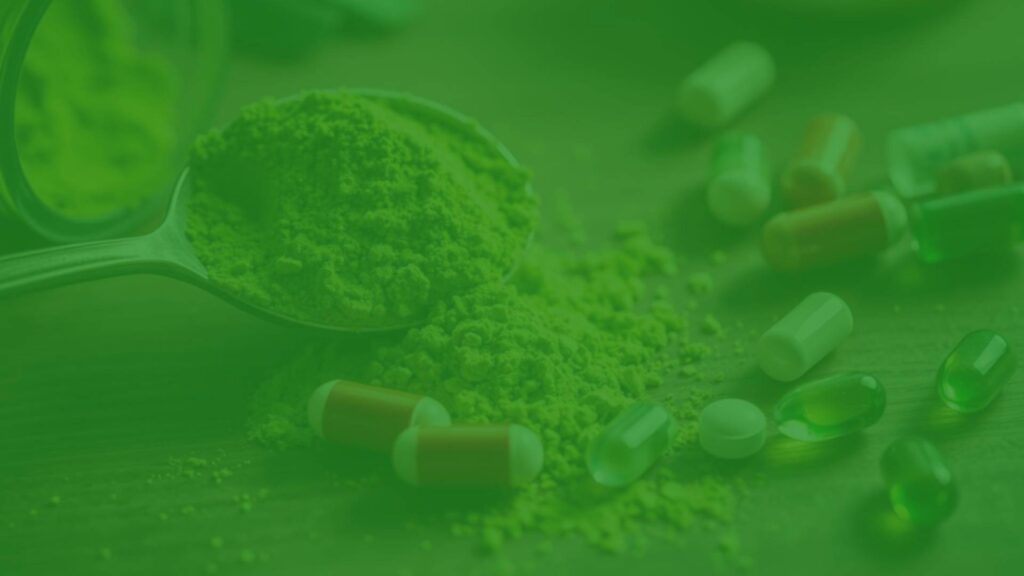
Spirulina typically appears as a deep green powder or in tablet form. It has a distinct earthy, slightly seaweed-like aroma and flavor, which some describe as mildly grassy. Spirulina’s vibrant color is due to its high concentration of chlorophyll and phycocyanin, a unique blue pigment. While often sold as powder or pressed into tablets, it can also be found in flakes or capsules.
How Spirulina Is Grown and Produced
Spirulina is cultivated in controlled aquatic environments—essentially large, shallow ponds with warm, alkaline water where the algae can thrive. After being harvested, the spirulina is filtered and dried at low temperatures to preserve its nutrients. Traditionally, it was collected from natural lakes, dried into cakes, and used as food, but modern methods ensure higher safety and purity for commercial use.
Culinary Uses
Spirulina’s versatility allows it to be added to a range of foods and beverages. It is frequently blended into smoothies, energy bars, salad dressings, and even baked goods for a nutrient boost. Its color makes it popular in vibrantly colored foods and health drinks. While its flavor can be strong on its own, combining it with fruits or spices can help mask its taste.
Nutrition and Health Aspects
Spirulina is celebrated for its densely-packed nutrients. A typical serving delivers a substantial amount of protein, providing all essential amino acids, along with significant levels of iron, B vitamins (notably B12 analogues), magnesium, and antioxidants such as phycocyanin and beta carotene. It is low in fat and calories, making it an attractive supplement for various diets. Spirulina’s antioxidants are associated with potential benefits for immunity and inflammation, though it is best used as part of a balanced diet. Individuals with certain conditions, like phenylketonuria or autoimmune issues, should consult a healthcare provider before consumption.
Comparison and Alternatives
Spirulina is often compared to chlorella, another nutrient-rich algae. While both offer high levels of protein and micronutrients, chlorella has more chlorophyll and is thought to support detoxification, whereas spirulina is slightly easier to digest due to its softer cell wall. Green powders containing kale, wheatgrass, or moringa can provide some similar benefits, though each has a unique profile.
FAQ / Common Concerns
- Is spirulina gluten-free? Yes, spirulina is naturally gluten-free.
- Is it suitable for vegans and vegetarians? Absolutely; spirulina is a plant-based food source.
- What does it taste like? Its flavor is earthy and slightly marine; many prefer mixing it with sweet or citrus ingredients.
- Does spirulina need special preparation? No cooking is required. It can be added directly to foods or drinks as a supplement.
Conclusion
Spirulina stands out in vegetarian and vegan pantries as a nutrient-dense superfood, valued for its protein, minerals, and antioxidants. Its ease of use and exceptional versatility make it an excellent addition to a wide range of dishes. If you’re looking to boost your nutrient intake naturally, spirulina is worth exploring in your everyday meals and snacks.
