Introduction
Nutritional yeast is a popular ingredient in plant-based and vegetarian cooking prized for its savory, cheese-like flavor. Originally derived from a species of yeast known as Saccharomyces cerevisiae, nutritional yeast has roots in the health food movement and remains a staple in vegan cuisine thanks to its unique taste and impressive nutritional profile.
Description and Characteristics
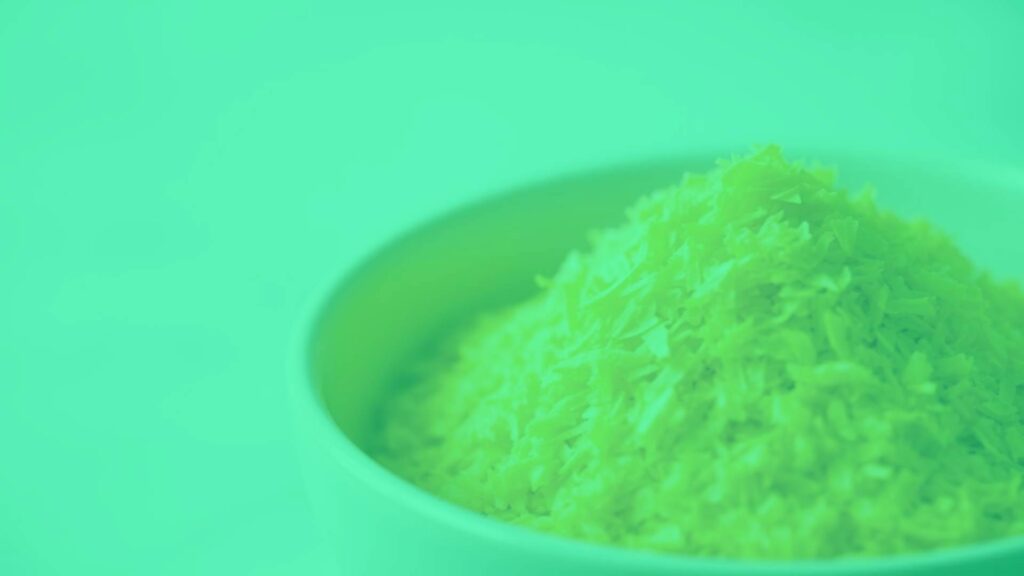
Sold as yellow flakes, granules, or powder, nutritional yeast boasts a nutty, umami-rich flavor often described as cheesy or creamy. Unlike baker’s or brewer’s yeast, it is deactivated during processing, so it cannot cause leavening. Its mild aroma and easy solubility make it a versatile seasoning for many recipes, appearing most commonly in flake or powder form.
How It’s Made or Grown
Nutritional yeast is cultivated from the Saccharomyces cerevisiae strain, typically grown on a medium such as sugarcane or beet molasses. After reaching maturity, the yeast is harvested, washed, pasteurized, and then dried at high temperatures, a process which deactivates the yeast cells. The final product is then packaged as flakes or powder, ready for culinary use. Some brands fortify nutritional yeast with additional nutrients, such as B-complex vitamins.
Culinary Uses
Nutritional yeast is celebrated for its versatility. Home cooks and chefs alike sprinkle it over popcorn, pasta, salads, or roasted vegetables for a savory kick. It acts as a dairy-free alternative to parmesan cheese and is commonly used in vegan “cheese” sauces, plant-based gravies, and soups. Its ability to blend seamlessly into both dry toppings and wet sauces makes it a staple in various cuisines, particularly in vegan and vegetarian comfort food.
Nutrition and Health Aspects
This ingredient is valued for its high content of complete protein, dietary fiber, and a broad array of B-vitamins, notably vitamin B12 when fortified, making it especially attractive to those following plant-based diets. It is low in fat and generally sodium-free (although some flavored varieties may include salt). Due to its concentration of nutrients, nutritional yeast supports energy metabolism and may help bridge common nutritional gaps in vegan or vegetarian diets.
Comparison and Alternatives
Nutritional yeast is sometimes confused with brewer’s or baker’s yeast, but only nutritional yeast is palatable and safe to consume directly. For similar flavors, some people use miso paste, soy sauce, or vegan cheese, but nutritional yeast is preferred for its nutritional content and distinct taste. For recipes requiring its unique cheesy flavor, there is no true substitute.
FAQ or Common Concerns
- Is nutritional yeast gluten-free? Yes, it is naturally gluten-free, but always check labels for potential cross-contamination.
- Is it suitable for vegans? Absolutely—nutritional yeast contains no animal products and is a vegan staple, especially when fortified with B12.
- Does it need to be cooked? No, it can be consumed straight from the container, either as a topping or ingredient.
- Does it contain active yeast? No, it is deactivated and will not leaven baked goods.
Conclusion / Encouragement
Nutritional yeast shines as an ingredient that delivers both flavor and nutrition, enriching vegetarian and vegan dishes with its cheesy, savory notes and valuable nutrients. Its ease of use and health benefits make it a fantastic addition to any plant-based pantry. Whether you’re looking to enhance your favorite recipes or explore dairy-free cooking, nutritional yeast is a rewarding ingredient to try.
