Introduction
Amaranth is an ancient pseudo-cereal that has been cultivated for thousands of years, especially in Central and South America. Revered by the Aztec and Inca civilizations, amaranth is gaining renewed attention in vegetarian and plant-based diets for its impressive nutrition and culinary versatility.
Description and Characteristics
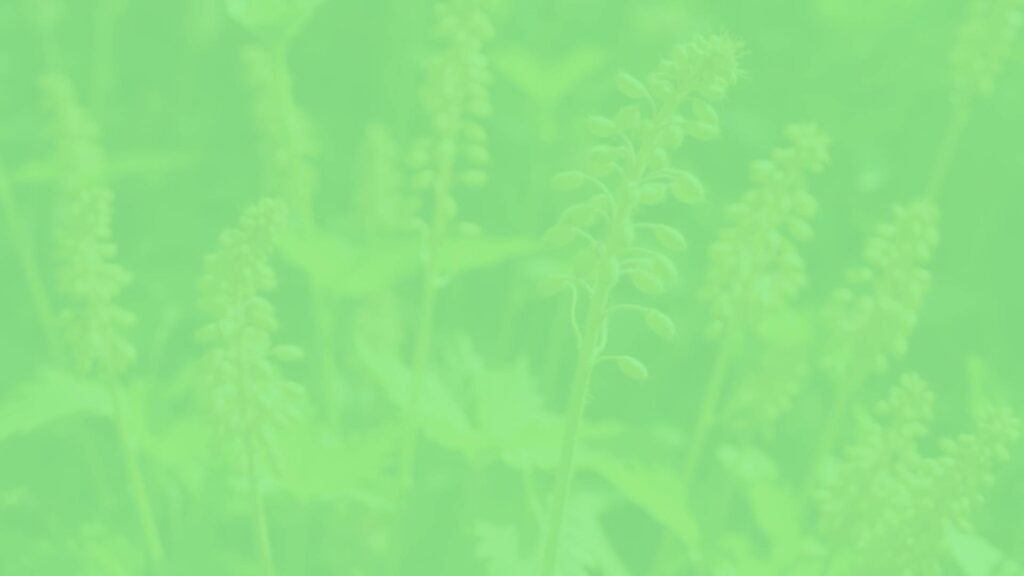
Amaranth refers both to a broad-leafed, flowering plant and the tiny, round seeds harvested from it. The plant’s leaves are edible, but it is the seeds—often called grains—that are most commonly used in cooking. Amaranth seeds are tan to golden in color, about the size of a poppy seed, and have a mild, nutty flavor with a slightly peppery finish. Once cooked, the grains develop a soft but slightly crunchy texture.
How It’s Made or Grown
Amaranth thrives in warm climates and is remarkably resilient, making it a staple in regions with challenging growing conditions. The plants are allowed to flower and set seed, after which the seeds are harvested and dried. Traditional processing might involve threshing the dried flower heads and winnowing to collect the tiny seeds. Today, commercial production streamlines these steps for consistent quality. Amaranth is available as whole seeds, flour, or even puffed as a crunchy snack.
Culinary Uses
Amaranth is incredibly versatile in the kitchen. The grains can be simmered as a hot cereal, boiled like rice for side dishes, or popped like miniature popcorn for snacks and toppings. Amaranth flour is a popular gluten-free option for baking breads, pancakes, and muffins. In various global cuisines, especially in India, Africa, and Latin America, both the seeds and leaves appear in porridges, soups, stews, and pilafs.
Nutrition and Health Aspects
Amaranth stands out nutritionally: it is high in plant-based protein, containing all nine essential amino acids, making it a complete protein source. It’s also a good source of dietary fiber, calcium, iron, magnesium, and antioxidants. Amaranth contains no gluten, making it suitable for gluten-sensitive individuals.
- Protein: Higher than most grains and ideal for vegetarians.
- Fiber: Supports digestive health.
- Micronutrients: Notably rich in calcium, iron, and magnesium.
Health-conscious eaters appreciate amaranth for supporting heart health, bone strength, and overall balanced nutrition.
Comparison and Alternatives
Amaranth is often compared to other pseudo-cereals such as quinoa and buckwheat. Like quinoa, amaranth is a complete protein, but it has a more distinctive, earthier flavor. It can be used as a substitute for rice, millet, or even oats in many recipes. For baking, amaranth flour may be blended with other gluten-free flours to improve texture and flavor.
FAQ or Common Concerns
- Is amaranth gluten-free? Yes, amaranth naturally contains no gluten.
- Is amaranth suitable for vegans and vegetarians? Absolutely, it is entirely plant-based.
- How do you prepare amaranth? Simmer one part amaranth with two and a half parts water for about 20 minutes. It can also be popped or ground into flour.
- Does amaranth need to be soaked? Soaking is not required but can reduce cooking time and enhance digestibility for some people.
Conclusion / Encouragement
Amaranth’s nutritional power, versatility, and sustainability make it a cherished ingredient in vegetarian and plant-based kitchens. Its unique nutty flavor and adaptability encourage experimentation in both traditional and modern dishes. Don’t hesitate to explore amaranth in your next recipe for a wholesome, satisfying addition to your meals.
