Introduction
Quinoa is a highly nutritious, gluten-free seed that originated in the Andean region of South America, particularly modern-day Peru and Bolivia. Revered by ancient civilizations such as the Incas, quinoa has become a staple among vegetarians and those seeking plant-based proteins due to its impressive nutritional profile and culinary versatility.
Description and Characteristics
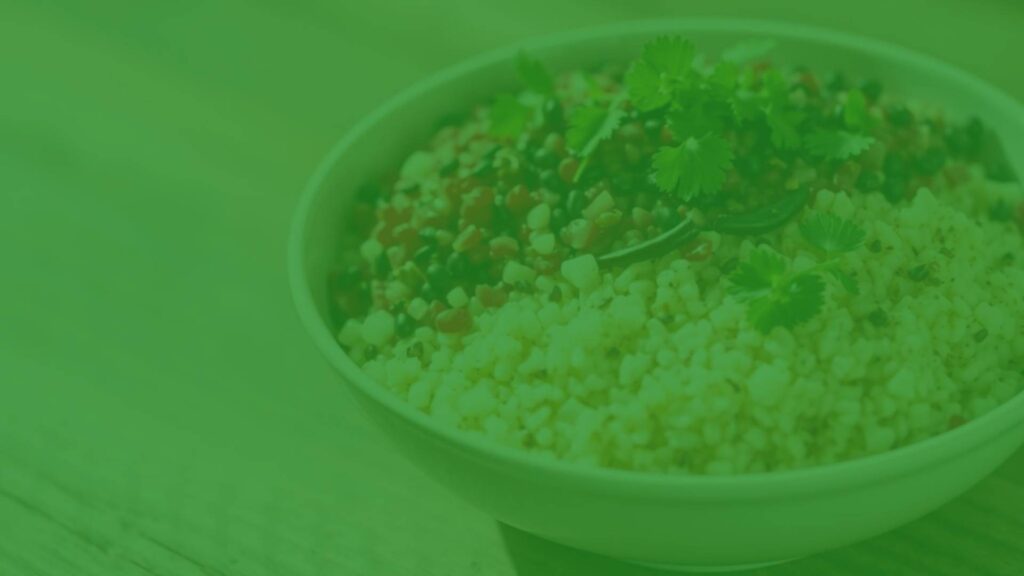
Despite its grain-like appearance and usage, quinoa is technically a pseudocereal. The small, round seeds come in various colors, most commonly white, red, and black. Its flavor is mild and slightly nutty, and when cooked, the grain has a light, fluffy texture with a slight crunch from its outer germ ring. Quinoa’s versatility and gentle taste make it suitable for both savory and sweet dishes.
How It’s Made or Grown
Quinoa plants flourish in high-altitude, arid environments. The seeds grow in clusters atop tall stalks. After harvest, the seeds are processed to remove a natural coating called saponin, which can impart a bitter taste if not washed away. Today, most commercially available quinoa is pre-rinsed, making it easier to prepare for home cooks.
Culinary Uses
Quinoa can be used much like rice or couscous in recipes. It is commonly boiled and served as a side, featured in salads and grain bowls, or used as a base for pilafs. Its neutral flavor allows it to absorb dressings and seasonings well, making it a favorite in Mediterranean, South American, and global fusion dishes. Quinoa flour is also a popular gluten-free baking ingredient.
Nutrition and Health Aspects
Quinoa stands out as a complete plant protein, containing all nine essential amino acids, which is rare for a vegetarian food. It is rich in fiber, magnesium, phosphorus, manganese, folate, and iron. Its low glycemic index makes it a beneficial option for blood sugar management. Additionally, quinoa is naturally gluten-free and suitable for most dietary requirements.
Comparison and Alternatives
Compared to other grains such as rice, bulgur, or couscous, quinoa offers more protein and fiber per serving. For those who are allergic or prefer other options, millet, buckwheat, or amaranth serve as alternative gluten-free pseudocereals with similar cooking methods.
FAQ or Common Concerns
- Is quinoa gluten-free? Yes, quinoa is naturally gluten-free and safe for those with celiac disease or gluten sensitivities.
- Is quinoa suitable for vegans? Absolutely—quinoa is 100% plant-based and a valued source of protein for vegans and vegetarians.
- Does quinoa need to be rinsed before cooking? Most pre-packaged quinoa is pre-rinsed, but some brands recommend rinsing to ensure removal of any residual saponins.
- How long does quinoa take to cook? Typically, quinoa cooks in about 15 minutes on the stovetop.
Conclusion
Quinoa is a nutritious, versatile food that has won a central place in vegetarian and plant-based kitchens worldwide. Its ease of preparation, impressive nutrient content, and adaptability in recipes make it an ingredient worth trying and experimenting with in your daily meals.
