Introduction
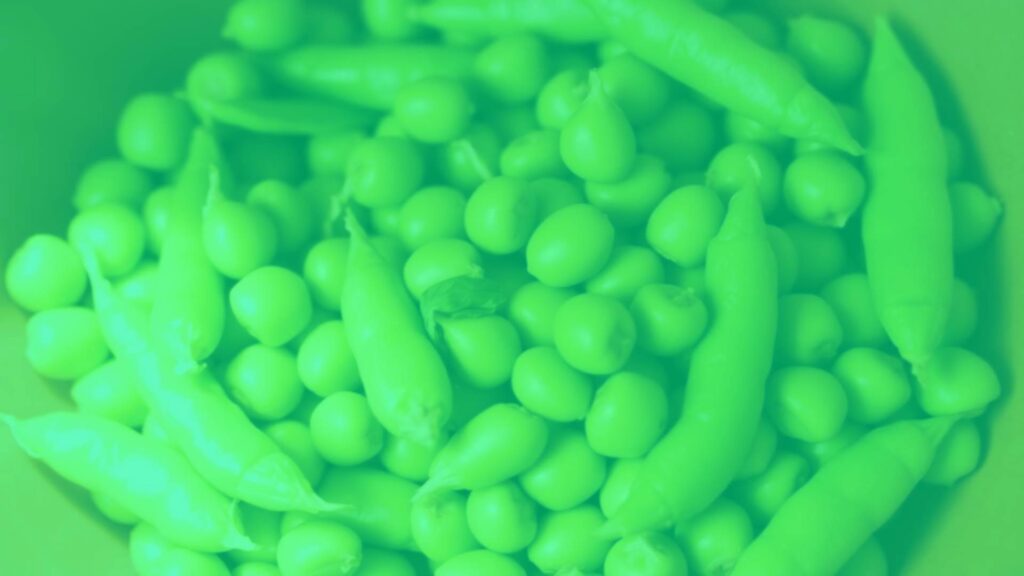
Edamame is a beloved plant-based food that has gained popularity worldwide, especially in vegetarian and vegan diets. Originating from East Asia, edamame refers to young, green soybeans that are harvested before they ripen or harden. They are most often enjoyed in Japanese, Chinese, and Korean cuisines, both as a snack and as a nutritious addition to meals.
Description and Characteristics
Edamame are whole, immature soybeans encased in fuzzy, bright green pods. The beans themselves are plump, firm, and tender with a slightly sweet, nutty flavor. Their pleasant bite and vibrant color make them an appealing, nutrient-rich option for salads, side dishes, appetizers, or eaten on their own. Edamame is commonly available both in-shell and shelled, and can be found fresh or frozen in supermarkets.
How It’s Grown and Processed
Edamame grows on soy plants, which thrive in temperate climates. The pods are hand or machine-harvested while the beans are still young and green—generally between 70 and 90 days after planting. Once picked, edamame pods are promptly blanched or lightly steamed to retain their freshness and color, then often frozen for later use. This minimal processing helps preserve both the taste and nutritional profile of the beans.
Culinary Uses
Edamame is remarkably versatile. It is most commonly boiled or steamed in its pod and sprinkled with sea salt for a simple appetizer or snack. In cooking, edamame beans can be tossed into salads, stir-fries, grain bowls, or soups. Mashed edamame can also be used as a spread, filling, or blended into dips like hummus. Edamame pairs well with Asian flavors such as soy sauce, ginger, garlic, and sesame oil.
Nutrition and Health Aspects
Rich in plant-based protein, edamame is an excellent protein source for vegetarians and vegans. It offers dietary fiber, healthy omega-3 fats, and a wide array of vitamins and minerals, including folate, vitamin K, iron, calcium, and magnesium. With its low calorie content and high nutrient density, edamame is valued for heart health, strong bones, and support of overall wellness.
Comparison and Alternatives
Compared to mature soybeans, edamame has a milder taste and softer texture. While other legumes such as green peas, lima beans, or fava beans can be used as substitutes in some recipes, edamame’s unique flavor and protein content set it apart. In terms of soy products, tofu or tempeh can be alternatives in cooked dishes, but do not offer the same fresh, snackable quality.
FAQ and Common Concerns
- Is edamame gluten-free? Yes, edamame itself is naturally gluten-free.
- Is edamame suitable for vegans? Yes, it is 100% plant-based and suitable for vegans.
- Does edamame require special preparation? It is typically boiled or steamed in its pod. The pods should not be eaten; beans are popped out before eating.
- Can I eat edamame raw? It is not recommended to eat raw edamame as it can be hard to digest; cooking or blanching is advised.
Conclusion
Edamame is valued in vegetarian cooking for its superior nutrition, delightful flavor, and flexible use in a variety of dishes. Whether enjoyed as a snack or a hearty addition to meals, edamame brings both taste and health benefits to plant-based diets. Try incorporating edamame into your menu to experience its unique qualities and nourishing potential.
