Introduction
Plant-based protein plays a central role in vegetarian and vegan diets, offering an alternative to animal-derived protein sources. Sourced from a variety of plants—such as legumes, grains, nuts, seeds, and even certain vegetables—plant-based proteins have gained widespread popularity for their health benefits and sustainable production methods.
Description and Characteristics
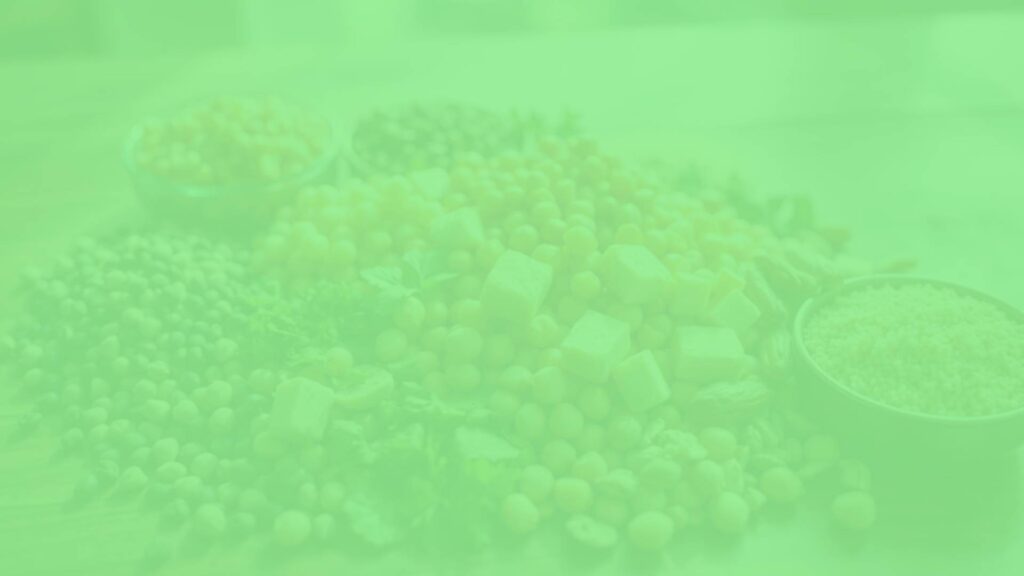
Plant-based protein is any form of protein that comes from non-animal sources. It can be found in whole foods like lentils, chickpeas, tofu, tempeh, quinoa, nuts, seeds, peas, and even grains like brown rice and oats. Plant-based proteins vary in appearance and form: they may be whole foods, powders, or processed products such as meat alternatives. The taste and texture depend on the source—beans are hearty and earthy, while tofu is mild and sponge-like, easily absorbing flavors of other ingredients.
How It’s Made or Grown
Most plant-based proteins are naturally present in legumes, grains, nuts, and seeds. For processed products such as plant protein powders or meat substitutes, manufacturers extract and concentrate the proteins using mechanical or chemical means. For example, soy protein isolate is made by removing fat and carbohydrates from soybeans and isolating the protein. Newer technologies include fermentation and extrusion to create meat-like textures from plant ingredients.
Culinary Uses
Plant-based proteins are extremely versatile. They can be boiled, baked, stir-fried, blended into smoothies, added to salads, or shaped into patties and other forms that mimic meat. Foods like tofu and tempeh are staples in Asian cuisine, beans star in Latin American and Middle Eastern dishes, and lentils feature prominently in South Asian cooking. Plant-based protein powders are often used in shakes, baked goods, or energy bars to boost protein content.
Nutrition and Health Aspects
Plant-based proteins generally contain fewer calories and less saturated fat compared to animal proteins. They provide essential nutrients such as dietary fiber, vitamins, minerals (like iron, magnesium, and potassium), as well as antioxidants and phytonutrients. Some plant proteins, like quinoa and soy, are considered “complete” proteins, containing all essential amino acids, while others can be combined to achieve a complete amino acid profile. Plant-based diets have been associated with numerous health benefits, including lower risks of heart disease and type 2 diabetes.
Comparison and Alternatives
Compared to animal proteins, plant-based proteins may offer less cholesterol and saturated fat but can sometimes be lower in certain essential amino acids. Combining sources (such as rice and beans) helps achieve balanced protein intake. For those with soy allergies, options like pea protein, lentils, or hemp seeds provide alternatives. Plant-based proteins are suitable replacements for vegetarians, vegans, and anyone looking to reduce consumption of animal products.
FAQ or Common Concerns
- Is plant-based protein suitable for vegans? Yes, all plant-based proteins are suitable for vegans, but always check product labels for additives.
- Is it gluten-free? Many plant proteins are naturally gluten-free, but processed products may contain gluten. Check for certified gluten-free labels if needed.
- Does it require special preparation? Some plant proteins (like beans and lentils) need soaking or cooking to improve digestibility, while others (like tofu) can be eaten directly after minimal preparation.
Conclusion / Encouragement
Plant-based protein is a versatile, nutritious, and sustainable cornerstone of vegetarian diets. Whether you’re seeking new flavors, looking to boost your nutrient intake, or moving toward a plant-forward lifestyle, plant-based proteins offer countless culinary possibilities. Embrace these ingredients to enhance your meals and support your health!
