Introduction
Oyster mushrooms have become a popular ingredient in vegetarian and plant-based cuisine worldwide. Originally cultivated in Asia and now grown globally, they are renowned for their flavor, texture, and adaptability. Their pleasing appearance and culinary flexibility have made them a staple in many meat-free diets.
Description and Characteristics
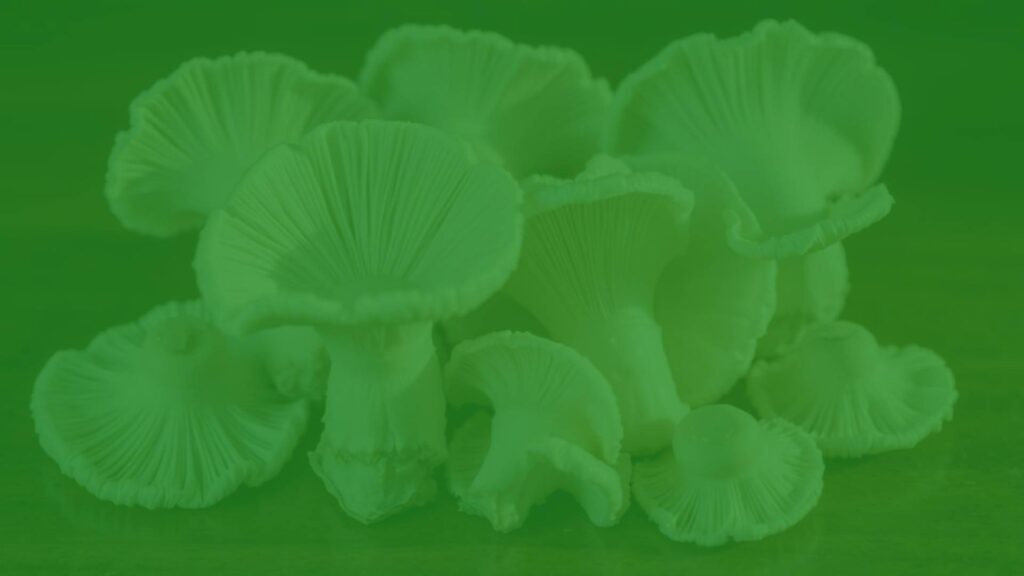
Oyster mushrooms (Pleurotus ostreatus) are named for their striking resemblance to oysters, with broad, fan-shaped caps that vary in color from white and pale gray to pink or yellow, depending on the variety. They possess a delicate, mildly sweet flavor and a tender yet meaty texture, making them a favorite in both vegetarian and vegan recipes. Oyster mushrooms typically grow in clusters and lack the ring found on many other mushroom species.
How They’re Grown
Oyster mushrooms are cultivated on decaying wood, straw, or other organic materials in both natural and controlled environments. The cultivation process involves inoculating a substrate with mushroom spores or spawn, which then develop into fruiting bodies. Modern methods allow for efficient year-round production, making oyster mushrooms widely accessible.
Culinary Uses
These mushrooms are celebrated for their versatility in the kitchen. They can be sautéed, grilled, roasted, or added to soups, stir-fries, and stews. Their texture holds up well when fried, and they readily absorb flavors from sauces and seasonings. Oyster mushrooms are common in Asian, European, and contemporary vegetarian cuisines, often serving as a delicious meat substitute in tacos, sandwiches, or even as mushroom “wings.”
Nutrition and Health Aspects
Oyster mushrooms are low in calories and fat but rich in important nutrients. They are a good source of dietary fiber, protein (for a fungi), B vitamins (especially niacin and riboflavin), and minerals such as potassium, iron, and selenium. These mushrooms also contain antioxidants and compounds that may support immune health. Their low sodium and cholesterol-free nature make them a heart-friendly addition to many diets.
Comparison and Alternatives
Compared to button, cremini, or portobello mushrooms, oyster mushrooms have a more delicate structure and milder taste, with a slightly chewy texture. Shiitake and king oyster mushrooms can serve as alternatives in recipes, though each offers unique flavors and textures. If unavailable, try enoki mushrooms for a different yet appealing substitute.
FAQ and Common Concerns
- Are oyster mushrooms gluten-free? Yes, they are naturally gluten-free when prepared without added gluten-containing ingredients.
- Are they suitable for vegans? Absolutely—oyster mushrooms are entirely plant-derived and ideal for vegan diets.
- Do they require special preparation? They should be cleaned gently with a damp cloth or brush to remove debris. Trim the base if tough, and avoid soaking, as they absorb water easily.
- Can they be eaten raw? While technically edible raw, their flavor and digestibility improve with cooking.
Conclusion and Encouragement
Oyster mushrooms stand out as a nourishing and enjoyable ingredient in vegetarian cooking. Their unique texture and gentle flavor complement a wide range of dishes, whether as a primary component or a supporting flavor. They’re easy to prepare, widely available, and offer notable health benefits. Experiment with oyster mushrooms in favorite recipes to discover the delightful difference they can make in plant-based meals.
