Introduction
Shimeji mushrooms are a popular type of edible fungus originating from East Asia. They are commonly featured in Japanese and Chinese cuisine and have become increasingly recognized in international vegetarian and plant-based diets for their unique texture and savory flavor.
Description and Characteristics
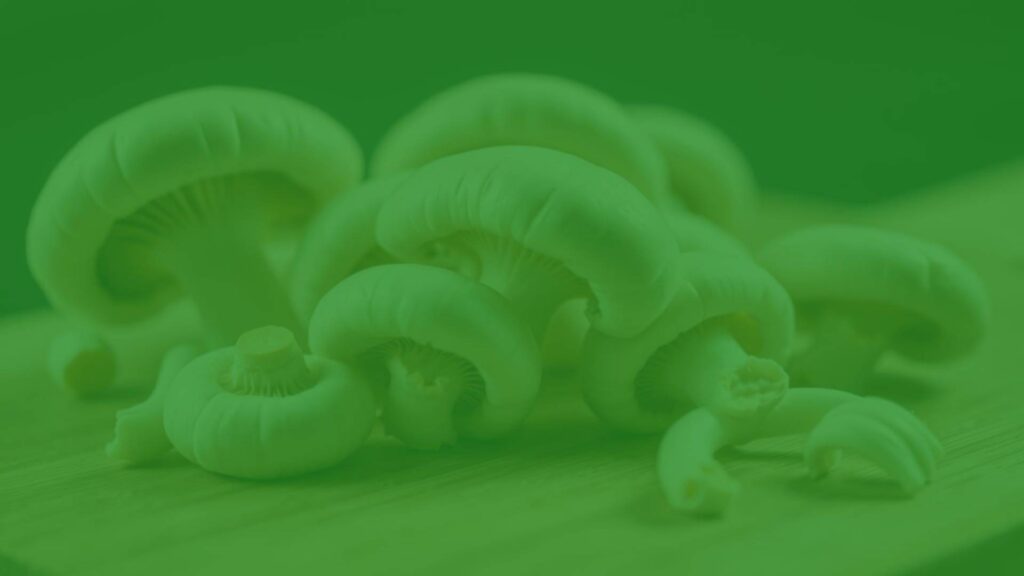
Shimeji mushrooms are small to medium-sized mushrooms that grow in clusters. There are several varieties, with the most common being Buna-shimeji (brown beech mushroom) and Bunapi-shimeji (white beech mushroom). They have slender, elongated stems with firm, slightly crunchy texture and delicate caps. Raw shimeji mushrooms have a mild, sometimes bitter taste, but when cooked, they develop a pleasantly nutty, umami-rich flavor and a tender bite.
How Shimeji Mushrooms Are Grown
Shimeji mushrooms are typically cultivated indoors on substrates of sawdust or hardwood, under controlled humidity and temperature. This cultivation process allows for consistent quality and availability year-round. In the wild, they grow on decaying wood, particularly beech trees, which is why they are sometimes called “beech mushrooms.” Modern commercial production emphasizes sanitation and careful harvesting to prevent damage to the delicate clusters.
Culinary Uses
Shimeji mushrooms are highly versatile and adapt well to a variety of cooking methods. They are commonly sautéed, stir-fried, roasted, or added to soups, stews, noodle dishes, and hot pots. The mushrooms hold their shape during cooking, making them excellent for mixed vegetable dishes, risotto, pasta, and as a topping for rice bowls. Their subtle nutty flavor enhances savory broths and complements tofu, grains, and other vegetables. They are ideal in both Asian and Western recipes.
Nutrition and Health Aspects
Shimeji mushrooms are low in calories and fat, but high in dietary fiber, B vitamins (including niacin and riboflavin), and minerals such as copper, potassium, and zinc. They also contain antioxidants and bioactive compounds thought to support immune health. As a source of plant-based protein and prebiotic fiber, shimeji mushrooms support a balanced vegetarian diet. However, they must be cooked before eating to ensure optimal digestibility and flavor.
Comparison and Alternatives
Compared to other mushrooms like enoki or oyster mushrooms, shimeji have a firmer, chewier texture and a stronger umami flavor when cooked. They can sometimes be substituted with oyster or enoki mushrooms in recipes, though flavor and texture will differ slightly. For a more intense earthiness, shiitake mushrooms may also serve as an alternative.
FAQ and Common Concerns
- Is shimeji mushroom suitable for vegans and vegetarians? Yes, they are plant-based and free from animal products.
- Are they gluten-free? Yes, shimeji mushrooms are naturally gluten-free.
- Do shimeji mushrooms need to be cooked? It is important to cook shimeji mushrooms before eating to eliminate any bitterness and improve digestibility.
- How should shimeji mushrooms be stored? Keep them refrigerated in their original packaging or in a paper bag and use within a week for best freshness.
Conclusion
Shimeji mushrooms are a valued staple in vegetarian and plant-based cooking thanks to their delightful texture, subtle yet savory flavor, and nutritional benefits. Whether incorporated into Asian-inspired dishes or Western classics, they offer versatility and depth. Home cooks are encouraged to try shimeji mushrooms, exploring new flavors and enjoying their culinary potential in a variety of recipes.
