Introduction
Lentils are small, lens-shaped legumes that have been a part of human diets for thousands of years. Originating in the Near East and Central Asia, they hold a cherished place in many vegetarian and plant-based diets around the world, thanks to their remarkable nutritional value and versatility in cooking.
Description and Characteristics
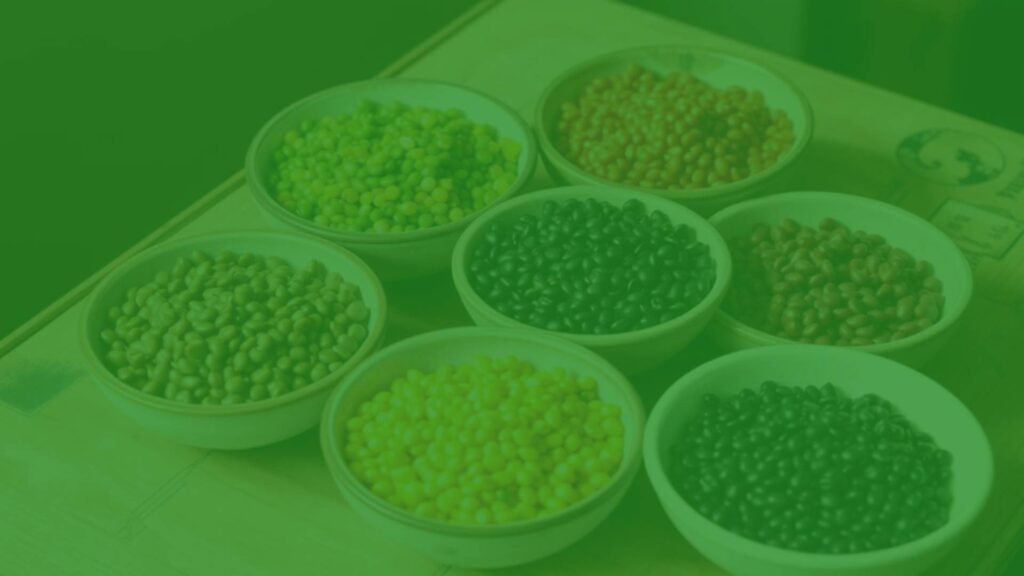
Lentils come in a variety of types and colors, including brown, green, red, yellow, and black. Their size and shape remain relatively consistent—flat and round, resembling the lens of an eye, which is how they got their name. Brown and green lentils typically hold their shape after cooking, while red and yellow lentils tend to break down, making them ideal for soups and stews. Lentils have a mild, earthy, and slightly peppery flavor, with a firm but tender texture depending on the variety and cooking method.
How They Are Grown
Lentils are annual plants grown primarily in cool, semi-arid regions. The plants are able to enrich the soil with nitrogen, making them beneficial in crop rotation. Harvesting typically takes place once the pods have dried on the plant. After gathering, lentils are cleaned, sorted, and sometimes split or peeled, especially in the case of red and yellow lentils.
Culinary Uses
Lentils are incredibly versatile in the kitchen. They are a staple ingredient in soups, stews, salads, curries, and even veggie burgers or loaves. In Indian cuisine, they are used in a wide range of flavorful dals, while Middle Eastern dishes often feature lentils mixed with rice or grains. Lentils are quick to cook, need no soaking (unlike many other legumes), and are excellent for thickening dishes or serving as a protein-rich base.
Nutrition and Health Aspects
Lentils are valued for their high protein content, making them a critical meat alternative for vegetarians and vegans. They are also rich in dietary fiber, complex carbohydrates, B vitamins (especially folate), iron, potassium, and essential minerals. Lentils are low in fat, cholesterol-free, and may help support digestive health, manage blood sugar, and contribute to heart health.
Comparison and Alternatives
Lentils are often compared with other legumes like chickpeas, beans, and peas. They generally cook faster and have a milder flavor than beans. If lentils are unavailable, split peas or mung beans can sometimes serve as substitutes, though cooking times and textures will differ slightly.
FAQ and Common Concerns
- Are lentils gluten-free? Yes, lentils are naturally gluten-free.
- Are lentils suitable for vegans? Yes, lentils are plant-based and suitable for both vegans and vegetarians.
- Do lentils need to be soaked? Unlike some beans, most lentils do not require soaking and can be cooked directly after rinsing.
- Can lentils cause digestive discomfort? Lentils contain fiber and certain carbohydrates that may cause gas for some individuals. Cooking them thoroughly and starting with small portions can help the body adjust.
Conclusion
Lentils are a nutritional powerhouse and a cornerstone of vegetarian cooking worldwide. Their adaptability, quick cooking time, and impressive nutrient profile make them an excellent choice for anyone looking to boost plant-based protein and fiber in their diet. If you haven’t tried lentils yet, consider exploring their many varieties and discover the delicious potential they bring to vegetarian cuisine.
