Introduction
Chickpeas, also known as garbanzo beans, are a legume originating from the Middle East and the Mediterranean. Renowned for their adaptability and nutritional value, chickpeas have become a fundamental ingredient in vegetarian and plant-based diets around the globe.
Description and Characteristics
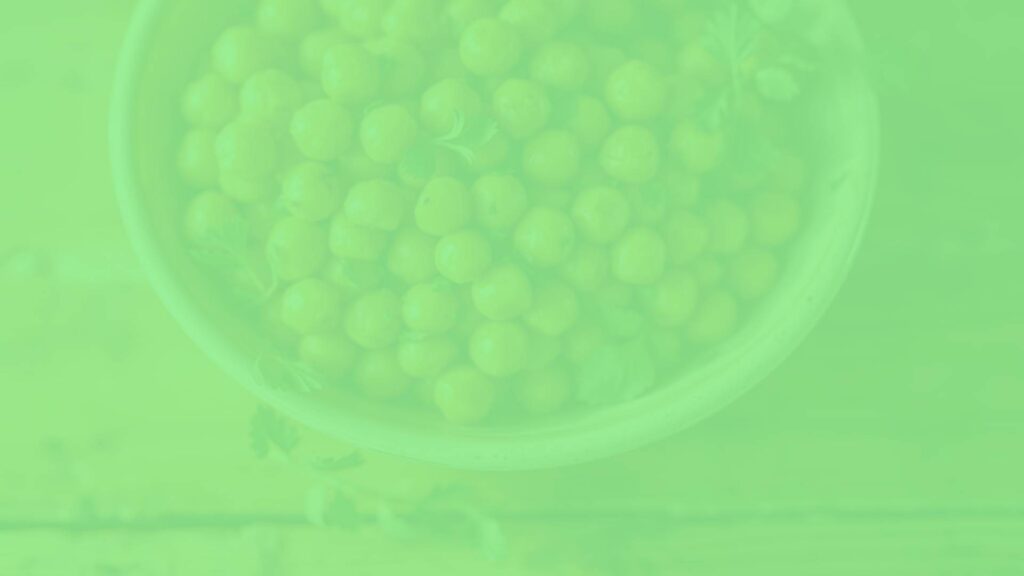
Chickpeas are small, round beans with a beige or light tan color. They feature a nutty flavor and a firm, buttery texture once cooked. While the most common variety is the light-colored kabuli chickpea, darker desi chickpeas are also widely used, especially in India and South Asia. Chickpeas are available dried or canned, making them convenient for various culinary applications.
How They’re Grown or Made
Chickpeas grow in pods on bushy plants, thriving in well-drained, semi-arid climates. After harvesting, the beans are usually dried for storage. In modern times, chickpeas are offered pre-cooked and canned for easy use, while traditional preparation often involves soaking and boiling dried beans.
Culinary Uses
Chickpeas are a culinary powerhouse, featured in well-loved dishes like hummus, falafel, and chana masala. They can be cooked in stews, added to salads, roasted for snacks, or mashed as a meat substitute in patties and spreads. Their firm texture also holds up well in curries and hearty soups.
Nutrition and Health Aspects
Chickpeas are highly nutritious, supplying plant-based protein, dietary fiber, complex carbohydrates, and essential minerals such as iron, phosphorus, and magnesium. They are naturally low in fat, contain no cholesterol, and are an excellent source of folate and manganese. Due to their fiber and protein content, chickpeas help promote satiety and support digestive health.
Comparison and Alternatives
Chickpeas are often compared to other legumes such as lentils, black beans, or cannellini beans. While all offer plant protein and fiber, chickpeas are uniquely suited for dishes that require a firmer texture. In recipes, they can sometimes be replaced with white beans or great northern beans if a milder flavor is preferred.
FAQ and Common Concerns
- Are chickpeas gluten-free? Yes, chickpeas are naturally gluten-free and suitable for those with celiac disease or gluten sensitivities.
- Are chickpeas suitable for vegans? Absolutely; chickpeas are 100% plant-based and a favorite protein source among vegans.
- Do dried chickpeas require special preparation? Dried chickpeas need to be soaked (typically overnight) and cooked before eating. Canned chickpeas are pre-cooked and ready to use.
- Can chickpeas cause digestive discomfort? Like all beans, chickpeas contain oligosaccharides, which may lead to gas or bloating in some individuals. Proper soaking and cooking can minimize these effects.
Conclusion
Chickpeas are a cornerstone of vegetarian cuisine thanks to their flavor, versatility, and impressive nutritional profile. Whether enjoyed in classic Middle Eastern dips or hearty curries, chickpeas offer a delicious and wholesome way to enrich meatless meals. Give chickpeas a try in your next recipe to discover their many delights!
