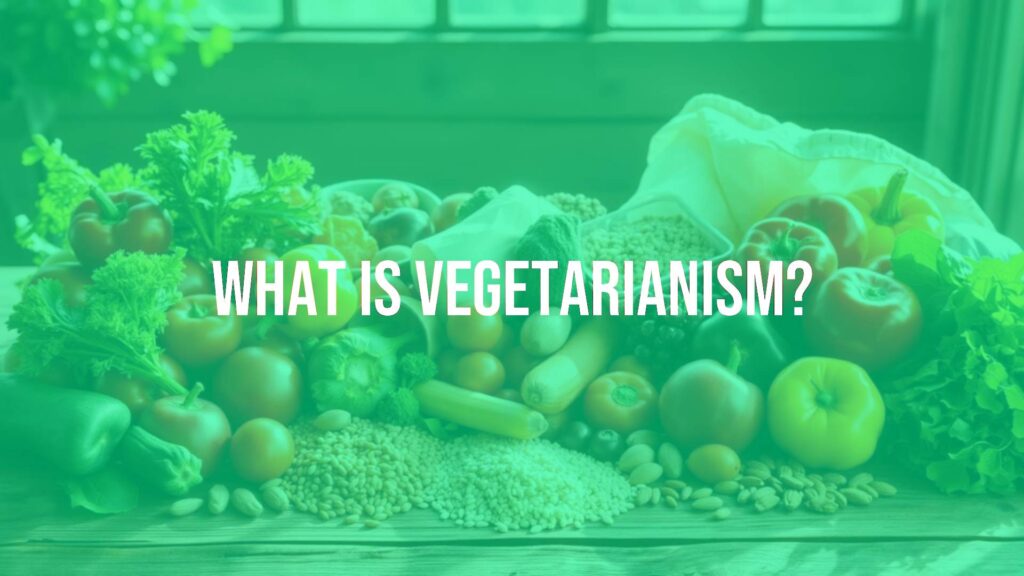
Vegetarianism is an eating style based on plant foods and excludes all types of meat, including poultry and seafood. People become vegetarians for different reasons, such as wanting to improve their health, caring about animal welfare, trying to protect the environment, following religious beliefs, or saving money. Vegetarianism isn’t a single way of eating-there are many types, depending on which animal-based foods (like eggs or dairy) someone includes or avoids. This allows people to pick a style that fits their own values and needs.

A vegetarian diet means eating mostly vegetables, fruits, grains, beans, legumes, and nuts. While all vegetarian diets stay away from animal meat, the details differ-some people may eat eggs or dairy, while others avoid all animal-based products. Vegetarianism has grown and changed over time, and many people around the world choose it for various reasons.
History and Cultural Importance of Vegetarianism
Vegetarianism is an ancient practice linked to different philosophies, religions, and social values. Humans have adopted meatless diets at different points in history, often influenced by cultural and spiritual beliefs.
Early Vegetarian Practices
In ancient times, some avoided eating meat as part of spiritual or cleansing rituals. By the middle of the first millennium BCE, regular avoidance of meat became more common in places like India and the eastern Mediterranean. Philosophers and spiritual leaders started promoting a meat-free diet as a way to live peacefully with the planet and other living beings.
- Mediterranean: Pythagoras taught about respect and kindness toward animals, and some thinkers claimed that avoiding meat brought people closer to harmony with the universe.
- India: The rise of Buddhism and Jainism taught followers to avoid harming living things, which included not eating animals. This principle, called ahimsa (non-violence), became important in Hinduism as well, especially when it came to the cow. Bloody sacrifices were discouraged, and harmony with all life forms was encouraged.

Vegetarianism Over the Ages
Over time, vegetarianism developed differently in various areas:
- India: Even after Buddhism faded in India, not eating animal flesh spread among both higher and some lower castes and moved with Buddhism to nearby countries like China and Japan, though in some places, fish was still eaten.
- West of India: While the Hebrew Bible suggested the earliest humans didn’t eat meat, few Jewish or Christian groups made vegetarianism the norm. Some monks and religious groups practiced it as a form of discipline. St. Anthony of Egypt is one known vegetarian. Meanwhile, in Islam, vegetarianism is less common, but some Sufi groups promoted it for spiritual reasons.
Modern Times and Popularity
During the 17th and 18th centuries in Europe, the idea of caring for both people and animals led some Protestant groups to stop eating meat. Well-known thinkers and writers like Voltaire and Henry David Thoreau praised or practiced vegetarianism. By the 19th century, some vegetarians also avoided alcohol, supported by arguments that a plant-based diet was both healthier and more ethical. The first vegetarian society started in England in 1847, and the International Vegetarian Union was established later. Today, vegetarianism is more popular and easier to adopt, thanks to year-round fresh produce, global recipes, and restaurants offering vegetarian dishes.
Why Do People Choose Vegetarianism?
People become vegetarians for a mix of reasons, and their motivations often overlap. Here are some of the main ones:
- Health
- Environment
- Ethics and animal welfare
- Religion and culture

Health
Many people choose vegetarianism to feel better and prevent illness. Research shows that plant-based diets, when planned properly, usually contain more vitamins, fiber, and healthy plant chemicals, and less unhealthy fat. This can mean:
- Lower cholesterol
- Lower blood pressure
- Lower body weight (BMI)
These factors are linked to a lower risk for many health issues such as heart disease, high blood pressure, diabetes, and some cancers. Eating lots of whole grains, beans, nuts, fruits, and vegetables helps with stable blood sugar and cholesterol. However, just avoiding meat doesn’t guarantee health-a balanced and varied diet is still important.
Environment
Some people stop eating meat to reduce their impact on the planet. Raising animals for food uses a lot of land, water, and energy, and creates greenhouse gases. Selecting plant-based foods can help cut down on pollution and use resources more efficiently. Growing plants takes fewer resources than growing feed and raising animals, so a vegetarian diet is considered more Earth-friendly.
Ethics and Animal Welfare
Others go vegetarian because they want to avoid hurting animals. Factory farming is often seen as cruel, with animals kept in small spaces and treated more like products than living beings. By not buying or eating meat, vegetarians hope to lessen animal suffering. This view sometimes leads people to avoid all animal products (veganism), trying to live with more kindness toward animals.
Religion and Culture
Some religions, especially Hinduism, Buddhism, and Jainism in India, encourage or require followers to avoid meat as part of their faith. These beliefs promote the idea that all life is connected and that not harming animals is good for spiritual development. Some Christian, Jewish, and Muslim groups also have traditions or practices that involve avoiding meat either always or at certain times.
Main Types of Vegetarian Diets
Not all vegetarians eat the same way. Here are the main types of vegetarian diets, with a comparison table:
| Type | Dairy | Eggs | Meat, Poultry, Seafood | Other Animal Products |
|---|---|---|---|---|
| Lacto-ovo vegetarian | Yes | Yes | No | No |
| Lacto vegetarian | Yes | No | No | No |
| Ovo vegetarian | No | Yes | No | No |
| Vegan | No | No | No | No (also excludes honey, gelatin, etc.) |
- Lacto-ovo vegetarian: Eats eggs and dairy, but no meat, poultry, or fish. This is the most familiar form in many Western countries and provides many options for protein and vitamins.
- Lacto vegetarian: Eats dairy but not eggs, along with avoiding all meat and fish. This style is common in India and fits with many cultural and religious beliefs there.
- Ovo vegetarian: Eats eggs, but no dairy, meat, or fish. Some pick this if they’re allergic to dairy or oppose how it’s produced but are okay with eggs.
- Vegan: Doesn’t eat any animal products-no meat, eggs, dairy, honey, or even ingredients like gelatin. Vegans also often avoid animal-based items in clothing or personal care.

Other Options: Flexitarian and Pescetarian
- Pescetarian: Avoids land animal meats but eats fish and seafood. Dairy and eggs are usually included. This is a popular step for people who want some benefits of vegetarianism but still wish to eat fish.
- Flexitarian: Eats mainly plant-based meals but occasionally includes small amounts of meat or fish. This option gives more flexibility and helps people cut back on meat without completely giving it up.
What Foods Do Vegetarians Eat and Avoid?
Knowing which foods are included and excluded is key to understanding vegetarian diets. Here is a guide:
Foods Vegetarians Eat
- Fruits and vegetables (fresh, frozen, or cooked)
- Grains (rice, oats, barley, quinoa, bread, pasta)
- Legumes (beans, lentils, chickpeas, peas)
- Nuts and seeds (almonds, walnuts, chia seeds, pumpkin seeds)
- Soy products (tofu, soy milk, tempeh, edamame)
- Plant-based milks (almond milk, oat milk, soy milk)
- Vegetable oils (olive oil, canola oil)
- Herbs and spices
- Dairy (for lacto and lacto-ovo vegetarians)
- Eggs (for ovo and lacto-ovo vegetarians)
Foods Vegetarians Avoid
- All kinds of meat (beef, pork, lamb, venison, etc.)
- Poultry (chicken, turkey, duck, etc.)
- Seafood (fish, shellfish, shrimp, crab, etc.)
- Gelatin (made from animal bones, found in some desserts and candies)
- Rennet (animal enzyme used in some cheeses)
- Honey (avoided by most vegans)
The details depend on the type of vegetarianism-lacto-vegetarians avoid eggs, ovo-vegetarians skip dairy, and vegans leave out all animal-derived ingredients. Vegans, in particular, need to check food labels closely to make sure their foods don’t have hidden animal products.