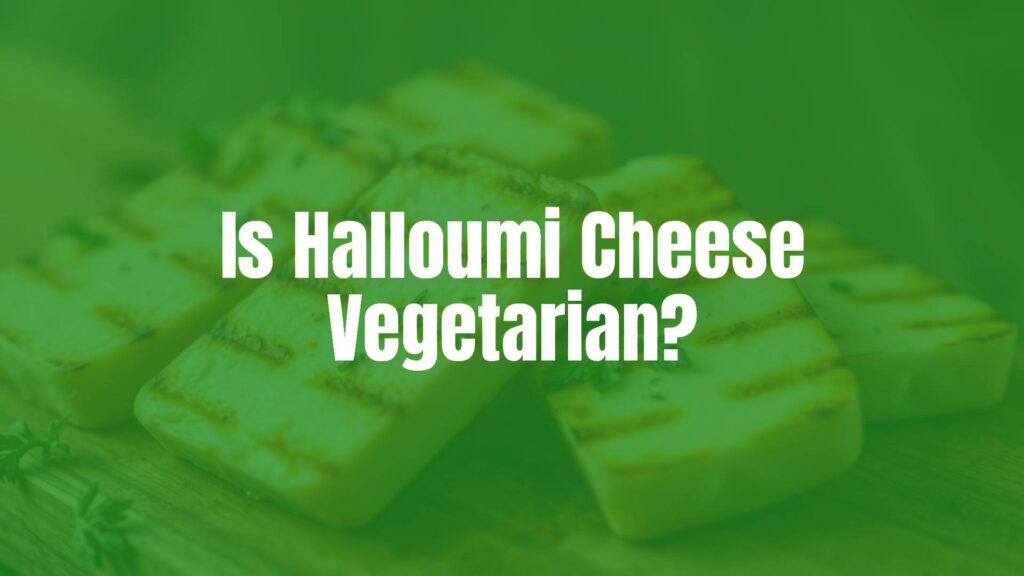
The rise in popularity of vegetarian diets has led many people to examine the ingredients in everyday foods more closely. Cheese products, in particular, often prompt questions regarding their suitability for a vegetarian lifestyle. Halloumi cheese—a semi-hard, brined cheese originally from Cyprus—has surged in popularity worldwide for its firm texture and savory flavor. But is halloumi cheese vegetarian? Let’s explore in detail.
Is classic halloumi cheese vegetarian? The most common, traditional versions of halloumi are not vegetarian. This is because traditional halloumi is typically made with animal rennet, an enzyme derived from the stomach lining of calves or other animals. However, some brands and producers make vegetarian-friendly halloumi using microbial or vegetarian rennet. It is essential to read the label or check with the producer to confirm.
Disclaimer: Always check packaging or verify with manufacturers, as not all halloumi is made using the same method or ingredients. Some varieties are suitable for vegetarians, while others are not.
Understanding Vegetarianism in the Context of Food Products
“Vegetarian” foods are those that do not contain meat, poultry, or seafood, nor any ingredients derived directly from the slaughter of animals. For cheese and processed foods, vegetarians commonly avoid animal-based rennet, gelatin, certain animal fats, and animal-derived colorings. Vegetarianism often extends beyond just dietary choices and can include ethical decisions about animal welfare and environmental concerns, but the key dietary rule is to exclude ingredients obtained from killing animals.
Ingredient Analysis: Basic Version of Halloumi Cheese
Classic Cypriot halloumi cheese is commonly made with a mixture of goat and sheep’s milk (sometimes cow’s milk), salt, and animal rennet as a coagulant. The traditional inclusion of animal rennet is the main factor making classic halloumi not vegetarian. However, some variants use vegetarian rennet (microbial or plant-based), which are suitable for vegetarians.
| Ingredient | Origin |
|---|---|
| Milk (sheep, goat, cow) | Animal (dairy, but vegetarian) |
| Salt | Mineral |
| Rennet (traditional) | Animal (non-vegetarian) |
| Rennet (vegetarian, in some brands) | Microbial/plant-based |
| Mint (sometimes) | Plant |
Product Variants and Their Ingredients
Some halloumi brands produce vegetarian-friendly versions using microbial or plant-derived rennet, while others stay true to traditional recipes and use animal rennet. Additionally, flavored or processed variants could contain other animal-derived additives, such as certain colorings or stabilizers. Always look out for ingredients such as gelatin, animal-based enzymes, or colorings that may render a product unsuitable for vegetarians. This underscores the necessity of reading the ingredient list each time you buy.
Additional Considerations for Vegetarians
Controversial Ingredients
Most halloumi does not include highly controversial ingredients like shellac or carmine (E120), but some additives in processed cheese or packaging could be ethically ambiguous for strict vegetarians—such as certain emulsifiers or colorants. Additionally, sugar sometimes used in processed cheese may be filtered with animal bone char, which is a concern for some vegetarians, though it’s uncommon for halloumi.
Trace Amounts / Cross-Contamination
Labels stating “may contain traces of…” animal products usually refer to the possibility of accidental cross-contamination in shared production facilities. This is generally of concern to those avoiding allergens, and not typically an issue for most vegetarians, though the most strict may want to avoid such products.
The Importance of Reading Labels
Always scrutinize ingredient lists—recipes can change at any time, and formulations often differ by country or brand. Even if you have previously bought vegetarian halloumi, it is vital to check each new purchase, especially when trying a new brand or flavor variant.
Halloumi Cheese in a Vegetarian Diet: Pros and Cons
Pros of Halloumi Cheese for Vegetarians:
- Widely available in supermarkets and restaurants
- Unique texture and flavor—great for grilling or frying
- High in protein and calcium
- Versatile in a wide range of vegetarian dishes
- Vegetarian versions (with microbial rennet) exist
Cons of Halloumi Cheese for Vegetarians:
- Traditional versions use animal rennet (not vegetarian)
- Heavily processed and high in salt
- Some brands lack clear labeling regarding rennet source
- Ethical concerns with dairy industry practices
- Possible cross-contamination in some factories
| Pros | Cons |
|---|---|
| Widely available | Often not vegetarian due to rennet |
| Tasty and versatile | Highly processed, high in salt |
| Vegetarian options available | Labeling can be unclear |
| Good protein/calcium source | Ethical dairy concerns |
Vegetarian Alternatives and Similar Products
Homemade Versions
Making halloumi or halloumi-style cheese at home allows for guaranteed use of vegetarian rennet and milk from trusted sources. This ensures both dietary and ethical peace of mind.
Other Available Vegetarian Products
- Paneer (fresh Indian cheese, no rennet used)
- Vegetarian-certified feta or grilling cheeses
- Vegan halloumi (usually coconut oil or soy-based)
- Mozzarella (vegetarian rennet varieties)
- Ricotta and cottage cheese (typically rennet-free)
Summary and Conscious Choice
In summary, classic halloumi cheese is generally not vegetarian, as it traditionally uses animal rennet. However, vegetarian-friendly halloumi is available from several producers using microbial or plant-based rennet. Always check the ingredient list and look for vegetarian certification to be sure. As with all processed foods, moderation is advised, and making informed choices is key. The growing availability of vegetarian and even vegan cheese options allows those following a vegetarian diet to enjoy more variety than ever before. Your food choices are personal—let knowledge and conscious decision-making guide you.
