Introduction
Calcium is a vital mineral best known for its role in building and maintaining strong bones and teeth. For people following a vegetarian diet, ensuring adequate calcium intake is important to support bone health, nerve function, and overall well-being. While milk and dairy are familiar sources, vegetarians—especially those who are lactose intolerant or vegan—must pay extra attention to calcium intake through plant-based options and fortified products.
Basic Functions and Importance
Calcium plays several crucial roles in the body. It is essential for:
- Primary structural component of bones and teeth
- Facilitating muscle contraction and relaxation
- Maintaining healthy nerve signaling
- Supporting proper function of blood vessels and hormones
- Assisting with blood clotting
Without enough calcium, the body draws on its bone reserves, which can eventually lead to bone weakening and related health problems.
Sources and Availability in a Vegetarian Diet
While dairy products like milk, cheese, and yogurt are rich in calcium and can be enjoyed by many vegetarians, there are several non-dairy and plant-based sources for meeting calcium needs:
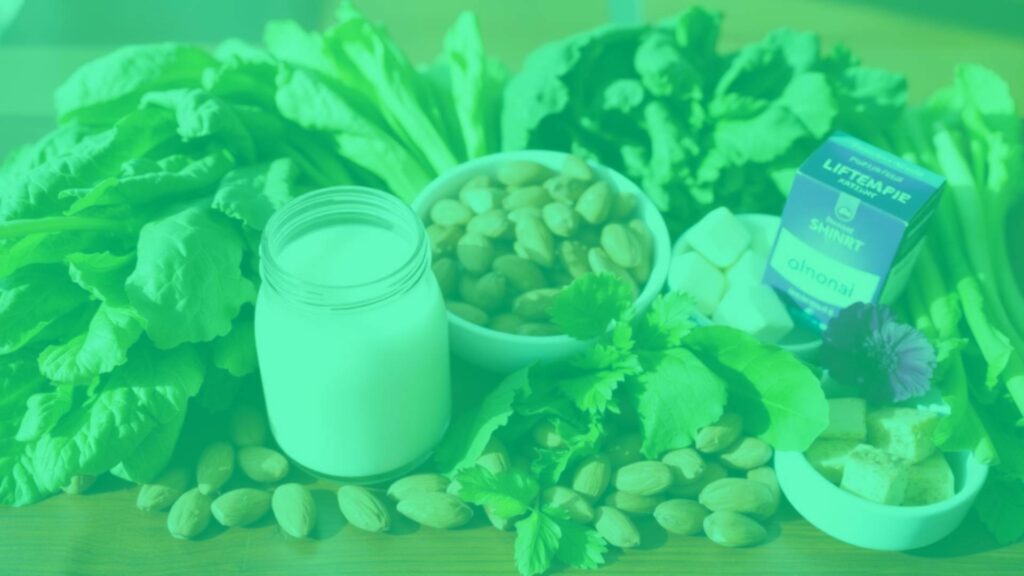
- Fortified foods: Many plant milks (soy, almond, oat, etc.), some juices, and breakfast cereals are calcium-fortified. Always check labels.
- Leafy green vegetables: Kale, bok choy, turnip greens, broccoli, collard greens. Note: Spinach and Swiss chard are high in calcium, but also contain oxalates that impair calcium absorption.
- Tofu and tempeh: These soy products often contain calcium (especially if set with calcium salts—look for ‘calcium-set’ tofu).
- Legumes, nuts, and seeds: White beans, chickpeas, navy beans, almonds, chia seeds, sesame seeds (and tahini).
- Seaweed: Some varieties like wakame and agar offer small amounts of calcium.
Plant-based calcium sources may have lower bioavailability due to naturally occurring compounds (phytates and oxalates). However, a well-chosen diet can still provide adequate calcium.
Recommended Intake and Special Needs
- Adults (19-50 years): 1,000 mg per day
- Women aged 51+ and men aged 71+: 1,200 mg per day
- Teenagers (9-18 years): 1,300 mg per day
- Pregnant and breastfeeding women: Usually same as non-pregnant adults, but consult a healthcare professional for individual needs.
People who avoid dairy, athletes (especially female athletes), and postmenopausal women may require extra vigilance for calcium intake.
Absorption, Bioavailability, and Interactions
Certain factors can hinder or enhance calcium absorption:
- Improving absorption: Consuming calcium sources spread throughout the day, ensuring adequate vitamin D status (assists with absorption), and choosing lower-oxalate greens.
- Reducing absorption: High intakes of sodium, caffeine, excessive fiber, phytates (in grains/legumes), and oxalates (in certain greens).
- Strategy: Combine calcium-rich foods with vitamin D-rich options and limit intake of binding substances at the same meal. Cooking methods such as steaming or boiling may reduce oxalate levels in some greens.
Deficiency Risks and Symptoms
Low calcium intake over months or years can lead to weakened bones, increased fracture risk, and eventually osteoporosis. Early symptoms of deficiency can include muscle cramps, tingling sensations, brittle nails, and, in severe cases, abnormal heart rhythms.
Vegetarians who do not consume dairy or fortified foods, older adults, and adolescent girls are at higher risk of deficiency. Regular dietary tracking and, if needed, periodic bone density assessments can help with early detection.
Supplementation
Supplementation might be recommended for those unable to meet targets through food alone, especially strict vegans or individuals with absorption issues. Calcium supplements should not exceed recommended doses, as too much calcium can cause kidney stones and interfere with absorption of other minerals (like iron and zinc).
Important: Always consult a healthcare professional before starting calcium supplements.
Practical Tips and Common Mistakes
- Include calcium-rich foods with each meal rather than relying on a single source.
- Check for calcium-fortified plant milks and compare labels for best options.
- Get enough vitamin D through sun exposure, diet, or supplements as recommended.
- Don’t assume all plant-based milks are fortified equally—read nutrition facts.
- Remember that some “high-calcium” greens may also be high in oxalates, limiting usefulness.
- Avoid excessive calcium supplementation beyond what is recommended, as more is not always better.
FAQ and Common Concerns
- Can you get enough calcium without dairy? Yes, with careful planning, a combination of plant-based foods and fortified products can provide sufficient calcium.
- Is plant-based calcium less absorbable? Some sources are less readily absorbed, so variety and attention to bioavailability-enhancing strategies are key.
- Do I need to worry about bone health on a vegetarian diet? As long as you meet your calcium (and vitamin D) needs, your bone health can be comparable to non-vegetarians.
- What if I have lactose intolerance? Fortified non-dairy milks, leafy greens, tofu, and seeds are excellent alternatives.
Conclusion
Calcium is an essential mineral for lifelong bone and overall health. While vegetarians—especially those avoiding dairy—should be proactive about planning calcium-rich meals, a balanced and varied diet can make it possible to thrive. Take advantage of fortified foods and low-oxalate vegetables, pay attention to factors affecting absorption, and consult your healthcare provider if you have unique needs or concerns. With the right knowledge, meeting your calcium requirements on a vegetarian diet is well within reach.
