Introduction
Choline is an essential nutrient often overlooked in vegetarian nutrition discussions. As it plays a vital role in many bodily processes, ensuring adequate choline intake is important for everyone, but it can be a particular concern for those following a vegetarian diet. Individuals who avoid animal-derived foods may be at higher risk of not meeting their daily choline requirements, making awareness and informed food choices especially critical.
Basic Functions and Importance
Choline supports several crucial functions in the body. It is a building block for cell membranes, aids in the production of neurotransmitters (notably acetylcholine, important for memory and muscle control), and participates in methylation processes relevant to DNA synthesis and liver health. Choline is also required for proper nervous system function and fetal development during pregnancy. Since the body only makes small amounts, most choline must be obtained through the diet.
Sources and Availability in a Vegetarian Diet
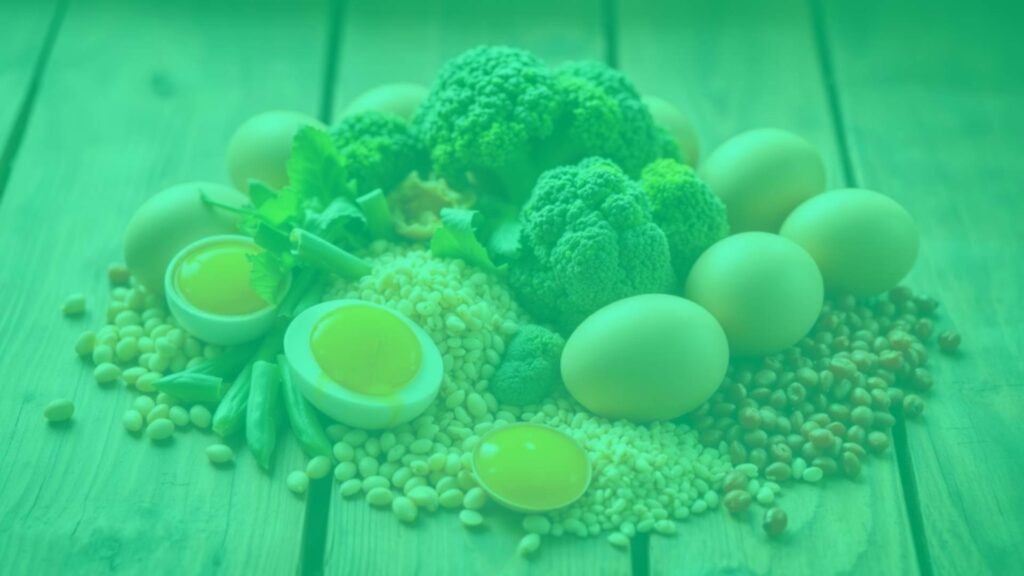
Many rich sources of choline are animal-based—such as eggs and liver—creating potential challenges for vegetarians. However, there are several plant-based foods that contain moderate amounts of choline, including:
- Legumes (such as soybeans, chickpeas, and kidney beans)
- Cruciferous vegetables (broccoli, Brussels sprouts, cauliflower)
- Nuts and seeds (especially peanuts, flaxseeds, and pumpkin seeds)
- Whole grains (wheat germ, quinoa, amaranth, brown rice, oats)
- Potatoes
For lacto-ovo vegetarians, eggs and dairy products are reliable choline sources. For vegans, a varied selection of the above plant foods is key. Some fortified foods and certain plant-based milks may also provide added choline—always check labels for specifics.
Recommended Intake and Special Needs
The recommended Adequate Intake (AI) levels for choline, according to the National Academies of Sciences (USA), are:
- Men (ages 19+): 550 mg/day
- Women (ages 19+): 425 mg/day
- Pregnant women: 450 mg/day
- Lactating women: 550 mg/day
- Children: Varies by age (ranges from 125–375 mg)
Pregnant and breastfeeding women have increased choline needs due to its importance in fetal brain development and milk production, and should pay particular attention to intake.
Absorption, Bioavailability, and Interactions
Choline from both plant and animal sources is well-absorbed in the intestine. However, the forms of choline found in plant foods are somewhat different from those in animal products; some animal-based choline (in phosphatidylcholine form) is more bioavailable than certain plant forms. To maximize choline absorption from plant-based diets, focus on including a variety of high-choline plant foods rather than relying on a single source. Cooking methods do not significantly affect choline content.
Deficiency Risks and Symptoms
Deficiency is rare but can occur, especially in people consuming restrictive diets, pregnant or breastfeeding women, and those with particular genetic variants affecting choline metabolism. Symptoms may include muscle damage, liver dysfunction (such as fatty liver), and cognitive issues. Long-term inadequate choline intake may also increase risk for neural tube defects during pregnancy.
Supplementation
While most vegetarians can meet choline needs through a varied and well-balanced diet, supplementation may be considered for those who struggle to reach recommended levels—particularly vegans, pregnant or breastfeeding women, or people with limited food variety. Choline supplements come in several forms (such as choline bitartrate or phosphatidylcholine). Always consult a healthcare professional before starting supplements, as excessive choline can cause side effects.
Practical Tips and Common Mistakes
- Include several servings of legumes and whole grains daily.
- Don’t overlook cruciferous vegetables or nuts and seeds.
- Lacto-ovo vegetarians can benefit from including eggs regularly if desired.
- Avoid assuming all plant foods are high in choline—check reliable nutritional databases for actual content.
- Don’t rely solely on multivitamins; check labels to see if choline is included, as many do not contain it.
FAQ and Common Concerns
- Can vegetarians get enough choline from food alone?
- Yes, but it requires careful planning, especially for vegans. Combining various choline-rich plant foods throughout the day helps meet needs.
- Is choline deficiency common among vegetarians?
- Moderate shortfalls may be more common in vegetarians, but frank deficiency is rare if the diet is well-planned.
- Are plant-based choline sources as effective as animal sources?
- They can be, but because most are less concentrated, greater attention to serving sizes and variety is important.
Conclusion
Choline is an important but often underappreciated nutrient in vegetarian diets. With knowledge and careful choices, vegetarians and vegans can meet their choline requirements through a balanced selection of legumes, whole grains, nuts, seeds, and vegetables. Paying attention to special needs, particularly during pregnancy and lactation, and being open to supplemental options if necessary, can help prevent deficiency and support lifelong health.
