Introduction
Copper is a vital trace mineral that supports key biological processes in the human body. For those following a vegetarian diet, understanding copper’s role and ensuring adequate intake is important, as copper is involved in numerous metabolic pathways. Attention to copper needs helps vegetarians maintain optimal health and prevent nutrient imbalances.
Basic Functions and Importance
Copper is essential for the formation of red blood cells, the maintenance of healthy nerve cells, and immune system function. It acts as a cofactor for several enzymes involved in energy production, iron metabolism, and the development of connective tissue. Copper also plays a role in antioxidant defense, helping to protect cells from oxidative damage.
Sources and Availability in a Vegetarian Diet
Vegetarian diets can be rich in copper, as many plant-based foods are excellent sources. Key vegetarian foods high in copper include:
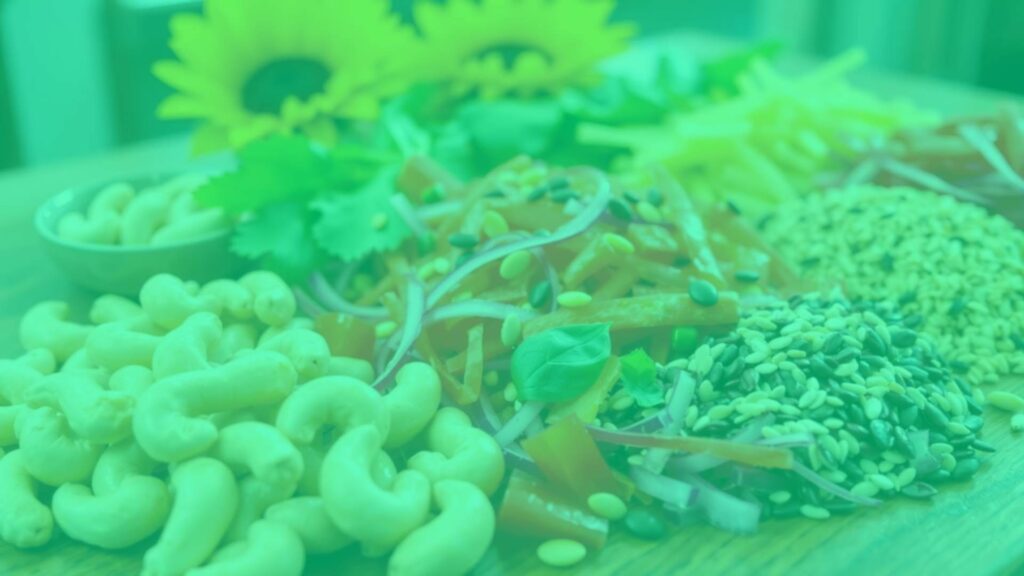
- Nuts and seeds (e.g., cashews, sunflower seeds, sesame seeds, almonds)
- Legumes (e.g., lentils, chickpeas, kidney beans)
- Whole grains (e.g., oats, quinoa, barley, whole wheat bread)
- Dark leafy greens (e.g., spinach, kale)
- Dried fruits (e.g., raisins, prunes, apricots)
- Cocoa and dark chocolate
Most vegetarian food sources offer copper in forms that are well absorbed. Unlike minerals such as iron and zinc, copper from plant foods is generally readily available to the body, especially when grains and legumes are prepared by soaking or sprouting to reduce phytate content.
Recommended Intake and Special Needs
The Recommended Dietary Allowance (RDA) for copper varies by age and gender. For adults, the RDA is about 900 micrograms (mcg) per day. Increased needs may arise during pregnancy and breastfeeding (1,000–1,300 mcg/day). Children and adolescents require age-appropriate amounts, generally ranging from 340 to 890 mcg per day.
Absorption, Bioavailability, and Interactions
Factors influencing copper absorption in a vegetarian diet include:
- Phytates, fiber, and some other minerals (especially high zinc or iron supplementation) can slightly inhibit copper absorption, but not usually to a problematic degree with a mixed diet.
- Good dietary variety and avoiding excessive supplementation of other minerals helps maintain copper status.
- Food preparation such as soaking, fermenting, and sprouting legumes and grains can enhance copper availability by reducing natural inhibitors.
Copper absorption is generally adequate in vegetarians who consume a diversified diet, but overuse of zinc supplements may risk lowering copper status.
Deficiency Risks and Symptoms
Copper deficiency is rare but can occur, especially if dietary intake is very low, gastrointestinal absorption is impaired, or high-dose zinc supplements are used over time. Symptoms may include:
- Anemia not responsive to iron treatment
- Fatigue or weakness
- Frequent infections (due to impaired immune function)
- Neurological symptoms (tingling, numbness)
- Impaired bone health
Strict vegetarians who rarely eat nuts, seeds, legumes, or whole grains, or those with chronic digestive disorders, might be at increased risk and should monitor their intake.
Supplementation
Most vegetarian diets provide adequate copper when well-balanced. Supplementation is rarely required unless diagnosed with a specific deficiency or for certain medical reasons (e.g., malabsorption disorders). High copper intake from supplements can be toxic. Always consult a healthcare professional before starting copper supplements.
Practical Tips and Common Mistakes
- Regularly include a variety of copper-rich plant foods (nuts, seeds, legumes, and whole grains).
- Prepare grains and legumes properly to support mineral absorption.
- Avoid excessive intake of zinc-only supplements without medical guidance.
- Don’t rely solely on refined grains, which are much lower in copper.
- Be aware that well-planned vegetarian diets can easily meet copper needs.
A common misconception is that only animal products supply enough copper; in reality, plant foods can provide abundant amounts when dietary diversity is maintained.
FAQ or Common Concerns
- Can you get enough copper from a vegetarian diet? Yes. Most people eating a variety of plant foods easily meet their needs without supplements.
- Are copper supplements necessary for vegetarians? Not typically, unless advised by a doctor after confirmed deficiency.
- Which vegetarian foods are highest in copper? Nuts, seeds, legumes, whole grains, and dark chocolate are top sources.
- What happens if you get too much copper? Excess intake, usually from supplements, can be toxic and harm the liver or nervous system; dietary sources rarely cause problems.
Conclusion
Copper is an essential trace mineral that supports many aspects of health and is widely available in plant-based foods. With a balanced and varied vegetarian diet, most people can easily meet their copper requirements without supplementation. Pay attention to dietary diversity, and consult a healthcare provider if you have concerns about your copper status. With the right knowledge, maintaining optimal copper nutrition on a vegetarian diet is straightforward and achievable.
