Introduction
Sulfur is a vital mineral that plays a significant role in maintaining good health. For vegetarians, ensuring sufficient sulfur intake can sometimes be overlooked, yet it is crucial for various bodily functions. Attention to sulfur is important in vegetarianism because its richest dietary sources are typically animal-based, making it necessary to understand plant-based options and strategies to prevent deficiencies.
Basic Functions and Importance
Sulfur is primarily known for its role in forming essential amino acids like methionine and cysteine. These sulfur-containing amino acids are fundamental for building proteins, supporting enzyme activity, and synthesizing important compounds such as glutathione—a key antioxidant in the body. Sulfur also plays a role in connective tissue health, detoxification processes, and skin, hair, and nail structure.
Sources and Availability in a Vegetarian Diet
While animal products are richer in sulfur-containing amino acids, vegetarians can still obtain adequate sulfur from a variety of plant sources. Important vegetarian sources include:
- Legumes and pulses (lentils, beans, chickpeas)
- Whole grains (brown rice, oats, quinoa)
- Nuts and seeds (especially sunflower seeds, sesame seeds, and peanuts)
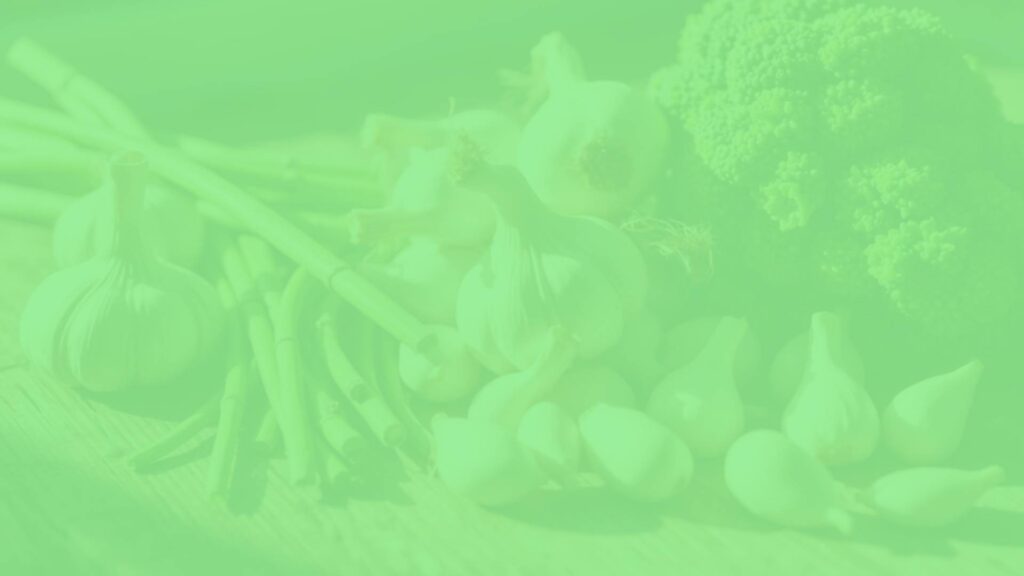
- Allium vegetables (garlic, onions, leeks, shallots, chives)
- Cruciferous vegetables (broccoli, Brussels sprouts, cauliflower, cabbage)
- Asparagus and kale
While dairy and eggs (for lacto-ovo vegetarians) are also good sources, strict vegans can meet sulfur needs by including a variety of these plant foods in their diets. However, plant proteins tend to be slightly lower in methionine and cysteine compared to animal sources, making dietary diversity important.
Recommended Intake and Special Needs
There is no official Recommended Dietary Allowance (RDA) specifically for sulfur. Instead, needs are typically met through sufficient protein intake, ensuring an adequate supply of sulfur-containing amino acids. General protein recommendations for adults are 0.8 grams per kilogram of body weight per day, but vegetarians may benefit from aiming higher (around 1.0 g/kg), especially during growth, pregnancy, lactation, or athletic activity.
Absorption, Bioavailability, and Interactions
Sulfur absorption is generally efficient when dietary protein intake is adequate. The bioavailability of sulfur from plant proteins is slightly lower than that from animal protein, mainly due to differences in amino acid composition. Including a variety of plant proteins throughout the day helps ensure that all essential amino acids, including those with sulfur, are supplied. Eating allium and cruciferous vegetables raw or lightly cooked preserves sulfur-containing phytochemicals and enhances benefits.
Deficiency Risks and Symptoms
Deficiency in sulfur is rare if protein needs are met, even on a vegetarian or vegan diet. Possible signs of inadequate intake include fragile hair and nails, skin problems, joint discomfort, and impaired detoxification abilities. Higher-risk individuals include those with very low protein intake, restrictive diets, or malabsorption disorders. Monitoring overall protein intake is key to preventing potential problems.
Supplementation
Supplementation with sulfur is generally unnecessary for vegetarians who consume adequate protein. Some supplements, such as MSM (methylsulfonylmethane), offer sulfur, but their use should only be considered under professional guidance. Obtaining sulfur naturally through diet is preferred and usually sufficient.
Practical Tips and Common Mistakes
- Include diverse sources of legumes, whole grains, nuts, seeds, and sulfur-rich vegetables at most meals.
- Avoid over-reliance on refined grains and processed vegetarian foods, as these tend to be lower in protein and sulfur content.
- Remember that sulfur is one part of the overall protein picture; prioritize variety and adequacy over obsessing about specific amino acids.
- Avoid common myths: strict avoidance of all processed foods does not necessarily improve sulfur intake; balance is more important.
FAQ or Common Concerns
- Can you get enough sulfur on a vegan or vegetarian diet?
- Yes, if you consume enough total protein from a variety of plant-based foods.
- Which is best: raw or cooked vegetables for sulfur?
- Some sulfur compounds (like allicin in garlic) are best preserved raw, but cooking also provides benefits. Include both for balance.
- Do plant proteins provide the same sulfur as animal proteins?
- They provide less methionine and cysteine per gram, so aim for diverse and adequate protein intake from multiple sources.
Conclusion / Encouragement
Sulfur is a crucial, but often overlooked, nutrient that supports many aspects of health in vegetarian diets. With proper planning, vegetarians and vegans can easily meet their needs through a diet rich in legumes, whole grains, nuts, seeds, and sulfur-containing vegetables. Focus on variety and adequate protein intake, and you’ll support vibrant health and well-being on a plant-based diet.
