Introduction
Omega-9 fatty acids are a lesser-discussed group of healthy fats, but they play a valuable role in maintaining health, particularly within vegetarian diets. Unlike the well-known omega-3 and omega-6 fats, omega-9s are not considered essential, yet they can contribute to heart health, inflammation control, and overall wellness. Understanding how to recognize their importance, sources, and best dietary practices can help vegetarians optimize their nutritional intake.
Basic Functions and Importance
Omega-9 fatty acids, primarily oleic acid, are monounsaturated fats found in both plant and animal products. In the human body, they are involved in regulating cholesterol levels, supporting immune function, and aiding in energy metabolism. As non-essential fats, our bodies can synthesize omega-9s, but dietary intake is still beneficial for cardiovascular and metabolic health. Evidence suggests regular consumption of omega-9s may help reduce bad cholesterol (LDL), increase good cholesterol (HDL), and reduce inflammation.
Sources and Availability in a Vegetarian Diet
Vegetarians have plenty of excellent sources for omega-9 fatty acids. Key vegetarian foods rich in omega-9s include:
- Olive oil: Perhaps the most famous source, especially extra virgin varieties.
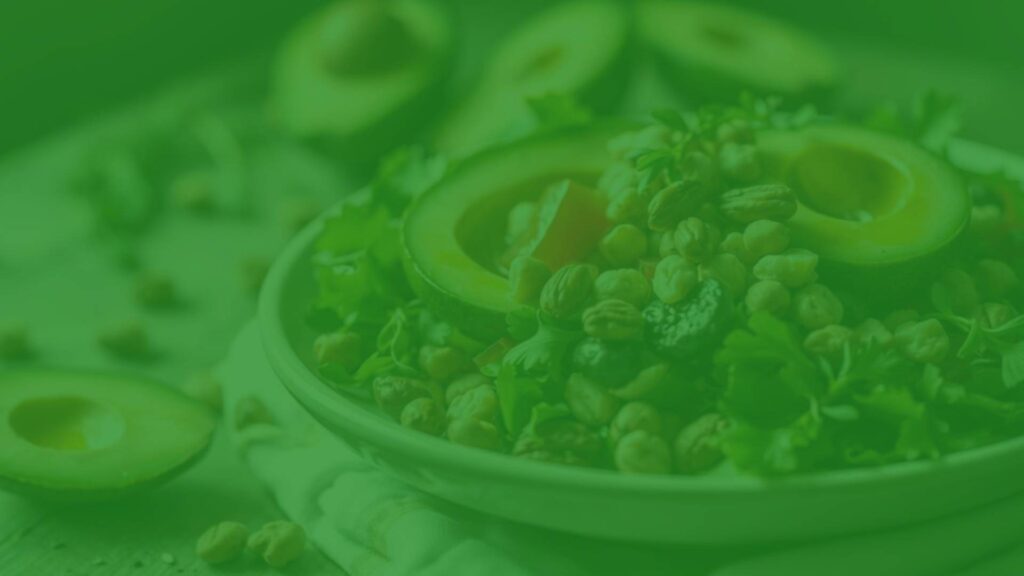
- Avocados and avocado oil
- Almonds, cashews, peanuts, and other nuts
- Seeds such as sunflower and mustard seeds
- Canola oil
- Soybean oil (to a lesser extent, also contains omega-3 and omega-6)
Since omega-9s are abundant in many plant-based oils and foods, vegetarians typically have no trouble meeting their needs through diet alone.
Recommended Intake and Special Needs
There is no established recommended dietary allowance (RDA) for omega-9 fatty acids because the body can synthesize them. However, replacing saturated and trans fats with monounsaturated fats like omega-9 is recommended by health authorities for general wellness. Special populations, such as those with increased calorie-burning needs (athletes, pregnant, or breastfeeding individuals), may naturally consume more omega-9s through increased food intake.
Absorption, Bioavailability, and Interactions
Omega-9 fatty acids from plant sources have excellent bioavailability. Their absorption isn’t hindered by plant-based factors like phytates or oxalates that affect some minerals. Cooking oils rich in omega-9s (such as olive oil) retain their benefits even after gentle heating. Pairing omega-9-rich foods with other fat-soluble nutrients (like vitamins A, D, E, and K) can assist in overall nutrient absorption.
Deficiency Risks and Symptoms
Since the body can synthesize omega-9 fatty acids, deficiencies are extremely rare, including among vegetarians. Symptoms are not commonly reported, but a very low fat diet could potentially lead to insufficient monounsaturated fat intake, affecting heart and metabolic health over time. Individuals who rarely consume oils, nuts, or avocados may wish to monitor their dietary patterns, particularly in restrictive dietary approaches.
Supplementation
Supplementation of omega-9 fatty acids is generally unnecessary for vegetarians, as they are widely available in plant foods and the body can produce them from other dietary fats. Supplements exist, but a well-rounded plant-based diet almost always provides ample amounts. If considering supplementation, consult a healthcare professional to discuss personalized needs and safe use.
Practical Tips and Common Mistakes
- Use olive oil or canola oil for dressings or light sautéing to incorporate omega-9s into meals.
- Add avocado slices or nut butters to salads, sandwiches, or smoothies.
- Don’t fear moderate amounts of healthy plant oils; extremely low fat diets may miss out on these benefits.
- Avoid relying on highly processed or hydrogenated oils that may contain unhealthy trans fats.
FAQ or Common Concerns
- Do I need to track my omega-9 intake as a vegetarian?
- Usually not; focusing on healthy, whole plant fats ensures plentiful intake.
- Is it possible to eat too much omega-9?
- While a balanced fat intake is important, omega-9s from unprocessed plant foods are generally safe in typical dietary amounts. Moderation is key.
- Are omega-9s as important as omega-3s?
- While both contribute to health, omega-3s are considered essential (must be obtained from food), whereas omega-9s are non-essential but still have significant benefits.
Conclusion and Encouragement
Omega-9 fatty acids, though not essential, add to the richness of a varied vegetarian diet and support heart and metabolic wellness. By including a range of plant-based oils, nuts, seeds, and avocados, vegetarians can confidently meet their needs. With a few mindful choices, getting enough omega-9 is easy—and contributes to a nutritious, satisfying, and health-supporting vegetarian lifestyle.
