Introduction
Essential amino acids are fundamental for health, as they are the building blocks of protein that the body cannot synthesize on its own. For vegetarians, understanding how to obtain all essential amino acids is vital since traditional sources like meat and fish are excluded. This topic is particularly relevant because of common concerns about whether plant-based diets can provide complete protein and fully support bodily functions.
Basic Functions and Importance
Amino acids are the components that make up proteins, which are essential for muscle repair, enzyme production, immune function, hormone synthesis, and countless other biological processes. There are nine essential amino acids that humans must obtain from food: histidine, isoleucine, leucine, lysine, methionine, phenylalanine, threonine, tryptophan, and valine. Without adequate amounts, the body cannot perform critical tasks, which can eventually lead to muscle wasting, poor immunity, or slowed development.
Sources and Availability in a Vegetarian Diet
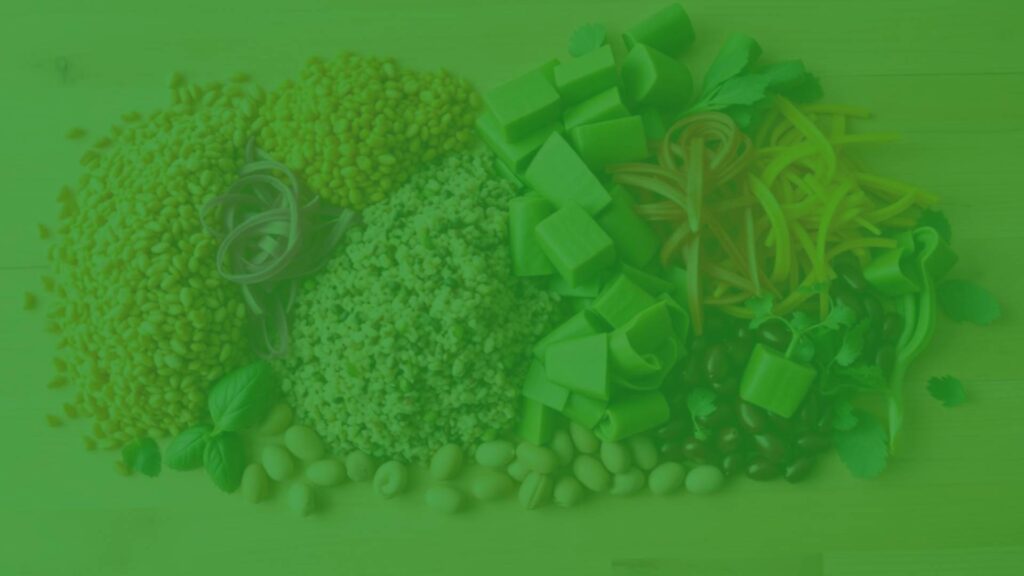
While many animal-derived foods are considered “complete proteins,” containing all essential amino acids in optimal proportions, many plant-based foods are sometimes lower in one or more of these amino acids—known as the “limiting amino acid.” However, a well-planned vegetarian diet can easily provide all essential amino acids by combining different plant foods throughout the day. Top vegetarian protein sources include:
- Legumes (beans, lentils, chickpeas): rich in lysine, often low in methionine
- Whole grains (brown rice, quinoa, oats, whole wheat): provide methionine but tend to be lower in lysine
- Nuts and seeds: offer a variety of amino acids and healthy fats
- Soy products (tofu, tempeh, edamame): among the few plant-based complete proteins
- Dairy and eggs (for lacto-ovo vegetarians): excellent sources of complete protein
By eating a variety of these foods daily, vegetarians can easily achieve a full spectrum of essential amino acids.
Recommended Intake and Special Needs
For healthy adults, the Recommended Dietary Allowance (RDA) for protein is about 0.8 grams per kilogram of body weight per day. Children, adolescents, pregnant and lactating women, and athletes may need higher amounts. Vegetarians may be advised to consume slightly more protein (about 10% extra) to account for differences in digestibility and amino acid profiles in plant foods, especially if relying on mostly unprocessed sources.
Absorption, Bioavailability, and Interactions
Plant proteins can be less digestible due to fiber, phytates, and other naturally occurring compounds. Pairing various protein sources (like beans with rice, or hummus with whole wheat pita) helps ensure a balanced amino acid intake. Cooking, fermenting, soaking, or sprouting plant foods can also enhance protein digestibility and amino acid availability.
Deficiency Risks and Symptoms
Inadequate intake of essential amino acids can result in fatigue, poor muscle tone, slowed recovery, weakened immune function, or growth delays in children. Those at higher risk include individuals with severely restricted diets, children, pregnant women, and people with increased protein needs (e.g., athletes). Most vegetarians eating a variety of food groups are not at risk, but attention to meal planning is warranted.
Supplementation
Supplementation of amino acids is rarely necessary for vegetarians who consume a balanced diet. Athletes or those with limited food diversity may consider protein powders (such as soy, pea, or rice protein) to supplement their intake. Always consult a healthcare provider before starting supplements to ensure safety and necessity.
Practical Tips and Common Mistakes
- Eat variety: Rotate between different protein-rich plant foods and combinations.
- Include soy: Incorporating tofu, tempeh, or edamame offers complete plant protein.
- Don’t stress about combining foods at every meal: The body maintains an amino acid pool and can combine nutrients consumed over the day.
- Avoid highly restrictive diets: Limiting yourself to very few foods can increase deficiency risk.
- Be cautious with misinformation: Myths persist that vegetarians can’t get enough protein or essential amino acids, but research shows this is not the case with proper planning.
FAQ or Common Concerns
- Do I need to combine proteins at every meal? No; as long as you eat a variety of protein sources throughout the day, your body will obtain all necessary essential amino acids.
- Are there complete proteins in the vegetarian diet? Yes; soy products, quinoa, and for lacto-ovo vegetarians, eggs and dairy, all provide complete protein.
- How can I increase protein intake as a vegetarian? Focus on lentils, beans, chickpeas, tofu, tempeh, yogurt, nuts, and seeds. Consider fortified foods or protein-rich grains like quinoa.
- Is protein deficiency common in vegetarians? Not if the diet is well-balanced and varied. Severe deficiency is rare.
Conclusion / Encouragement
With a diverse and well-planned vegetarian diet, meeting essential amino acid needs is both achievable and simple. There is no need for excessive worry or complicated meal combinations—variety is the key. By understanding your protein options and making informed choices, you can enjoy vibrant health and fully meet your body’s needs on a vegetarian diet.
