Introduction
Tempeh is a traditional, protein-rich food originating from Indonesia, renowned for its vital role in vegetarian and plant-based diets. Having spread globally, tempeh is now a popular staple among vegans and vegetarians searching for nutritious, versatile meat alternatives.
Description and Characteristics
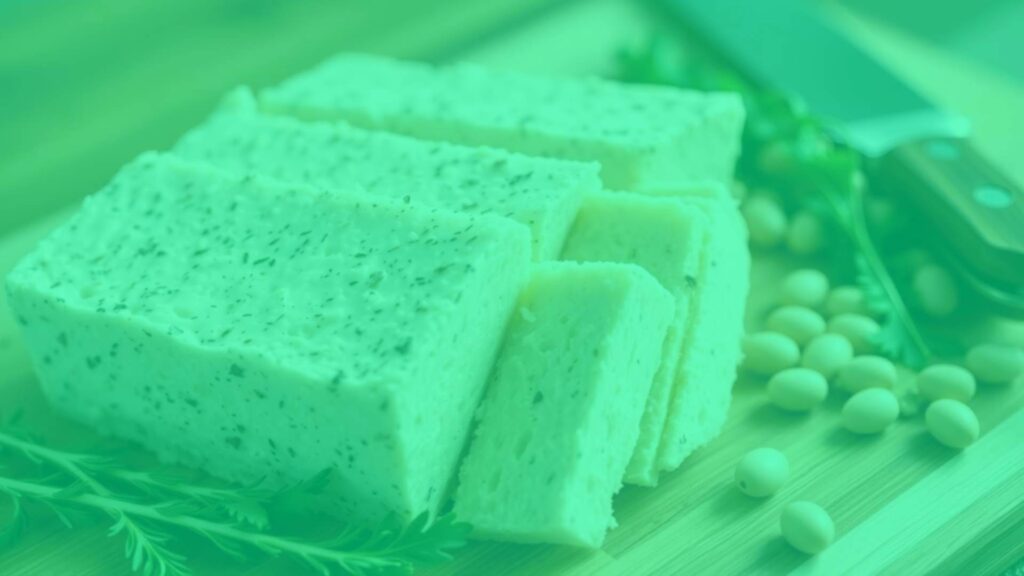
Tempeh is a fermented product made primarily from whole soybeans. It usually comes in compact blocks or cakes with a firm, chewy texture and a nutty, earthy flavor. The fermentation imparts a subtle tang and a distinctive umami note. While classic tempeh is pale brown and speckled with white, there are also versions made with other legumes or grains, sometimes infused with herbs or spices for added variety.
How It’s Made or Grown
The traditional process of making tempeh involves soaking and dehulling soybeans, followed by cooking and inoculating them with Rhizopus mold spores. The beans are then pressed into a mold and fermented at a warm temperature for one to two days. During fermentation, the mold binds the soybeans into a dense, cake-like loaf and develops tempeh’s unique flavor and texture. Modern commercial production follows similar methods but prioritizes consistent hygiene and controlled conditions.
Culinary Uses
Tempeh’s hearty texture and rich taste make it ideal for a wide range of dishes. It can be sliced, cubed, or crumbled and is delicious when grilled, sautéed, steamed, baked, or marinated. It’s a staple in stir-fries, sandwiches, salads, curries, and plant-based “bacon.” Tempeh readily absorbs the flavors of marinades and sauces, lending itself well to cuisines across Southeast Asia as well as Western-style cooking.
Nutrition and Health Aspects
Tempeh is celebrated for its high protein content, making it a standout plant-based alternative to meat. It’s also a good source of dietary fiber, vitamins (notably B vitamins), and important minerals such as iron, calcium, and magnesium. The fermentation process enhances its digestibility and can create beneficial probiotics. Tempeh is low in saturated fat and contains no cholesterol.
Comparison and Alternatives
Compared to tofu, tempeh has a firmer texture and a more robust, savory flavor. While both are soy-based, tempeh uses whole beans and has higher fiber and protein content. Other alternatives include seitan for gluten-based protein and chickpea tempeh for soy-free options. Tempeh’s unique fermentation process and nutritional profile set it apart among plant-based proteins.
FAQ or Common Concerns
- Is tempeh gluten-free? Traditional soy tempeh is naturally gluten-free, but always check labels for added grains.
- Is tempeh suitable for vegans? Yes, tempeh is entirely plant-based and suitable for vegans and vegetarians.
- Does tempeh need to be cooked? Most tempeh should be cooked before eating to ensure safety and improve its flavor and texture.
- Does tempeh taste like tofu? Tempeh has a firmer texture and a stronger, nuttier flavor compared to the milder, softer tofu.
Conclusion / Encouragement
Tempeh stands out as a nutritious, versatile, and eco-friendly ingredient for vegetarian cooking. Its rich protein content, complex flavor, and culinary flexibility make it a valuable addition to plant-based meals. Whether new to tempeh or already a fan, exploring creative ways to cook with it can open new dimensions in healthy, satisfying eating.
