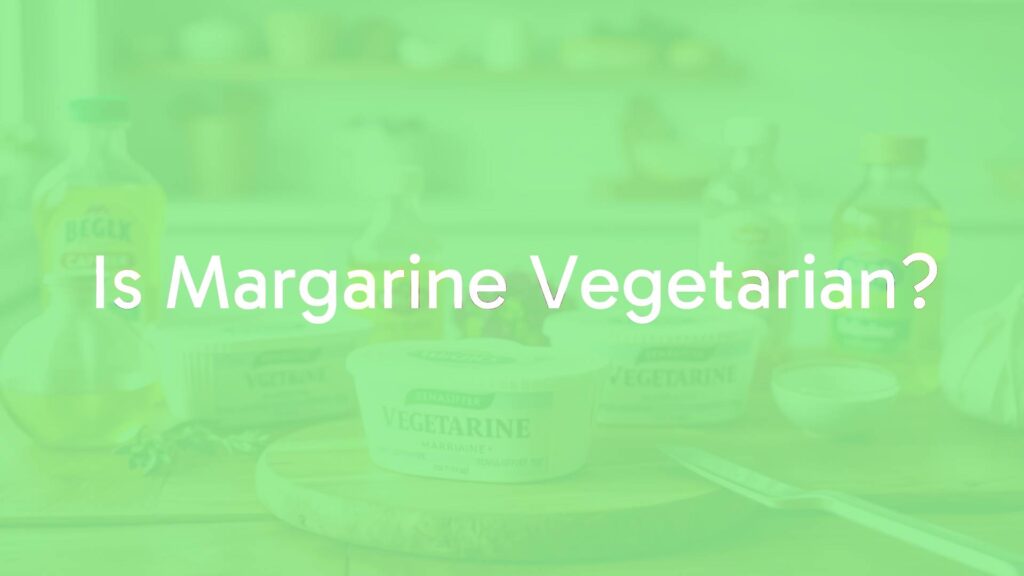
The rising popularity of vegetarian diets has inspired many people to rethink their food choices and pay close attention to ingredient lists. As more consumers seek meat-free meal options, questions naturally arise about everyday foods—particularly staple items like margarine. Is margarine truly vegetarian? The short answer: Yes, most classic margarine brands are vegetarian, because their core ingredients are plant-based oils, emulsifiers, and water. However, some varieties contain non-vegetarian additives, so reading labels remains vital.
Understanding Vegetarianism in the Context of Food Products
Vegetarianism generally means abstaining from all forms of animal flesh, including meat, poultry, fish, and seafood. For food products, this also excludes ingredients such as animal fats, gelatin, rennet, some enzymes, and certain colorings or flavorings derived from animals. Many vegetarians also avoid additives like cochineal/carmine (an insect-based dye) or animal-based vitamin D. People choose vegetarianism for health, environmental, and ethical reasons, sometimes extending their values into other areas of life beyond food.
Ingredient Analysis: Basic Version of Margarine
The classic and most widely available versions of margarine are usually vegetarian. These versions typically contain a blend of vegetable oils (such as sunflower, canola, soybean, or palm), water, emulsifiers (often plant-derived), salt, and sometimes vitamins. No animal-derived ingredients are typically present in the standard formulation.
| Ingredient | Origin |
|---|---|
| Vegetable Oil (e.g., sunflower, canola, palm) | Plant |
| Water | Mineral |
| Salt | Mineral |
| Emulsifiers (e.g., lecithin) | Usually plant (check for sources) |
| Vitamin A & D | Plant or synthetic (Vitamin D requires extra scrutiny) |
Product Variants and Their Ingredients
Be aware: not all margarines are created equal! Some flavored, reduced-fat, or fortified margarines can contain non-vegetarian additives such as animal-derived vitamin D3, whey (from milk), gelatin (as a stabilizer), lactose, or even small amounts of fish oils or colorants. For instance, traditional butter-margarine blends or certain regional recipes may include animal fats.
Always read the label and ingredient list to check for non-vegetarian additions, particularly for specialty flavors, seasonal varieties, or nutritionally enhanced products.
Additional Considerations for Vegetarians
Controversial Ingredients
Some margarine brands use sugar that might be processed with bone char or include minor additives of animal origin for coloring (e.g., vitamin D3 sourced from lanolin in sheep’s wool). While these are present in small amounts and often not flagged, strict vegetarians may wish to investigate further or seek certified vegetarian products.
Trace Amounts / Cross-Contamination
“May contain traces of milk or other animal products” warnings are commonly intended for people with allergies, not usually a major concern for vegetarians. However, if you are highly strict about cross-contamination or ethical purity, you might prefer products from exclusively plant-based facilities.
The Importance of Reading Labels
Ingredient lists can and do change. Recipes may be reformulated, ingredients switched, or regional specifications altered without major announcements. Variants within brands can also differ greatly. For those following a vegetarian diet, regular label checking is essential—even for familiar products or brands you trust.
Margarine in a Vegetarian Diet: Pros and Cons
Pros of Margarine for Vegetarians:
- Widely available in supermarkets globally
- Usually based on plant oils (easily fits most vegetarian diets)
- Convenient and versatile for cooking and baking
- Often cholesterol-free and lower in saturated fat than butter
Cons of Margarine for Vegetarians:
- Some variants contain non-vegetarian additives or animal-derived vitamins
- Highly processed—may contain trans fats, additives, or preservatives
- Nutritional value may be lower compared to whole foods
- Potential ethical controversies around palm oil and some additives
| Pros | Cons |
|---|---|
| Convenient and plant-based | Some variants not strictly vegetarian |
| Versatile for many recipes | Can be highly processed |
| Widely available | Palm oil and additive concerns |
Vegetarian Alternatives and Similar Products
Homemade Versions
Making margarine or spreads at home allows total control over the ingredients—ensuring 100% vegetarian status and avoiding unwanted additives. Homemade spreads based on olive oil, coconut oil, or nut butters are popular options.
Other Available Vegetarian Products
- Certified vegan or vegetarian margarines and spreads
- Plant-based butter alternatives (e.g., olive oil or avocado-based spreads)
- Nut and seed butters (almond, peanut, sunflower, etc.)
- Coconut oil, olive oil, or other vegetable oils for spreading and baking
Summary and Conscious Choice
In summary, most classic margarines are vegetarian, but ingredient lists must always be checked—especially for new variants or regional products. Given the processed nature of margarine, enjoy it in moderation as part of a balanced vegetarian diet. As plant-based options continue to expand, today’s vegetarians can make more informed and ethical choices than ever before. Always follow your values, be proactive about reading labels, and enjoy the growing variety of vegetarian spreads available!
