Introduction
Textured vegetable protein (TVP) is a popular meat alternative and a staple in vegetarian and vegan diets around the globe. Originally developed in the mid-20th century, TVP offers a highly adaptable, protein-rich option for those seeking plant-based meat substitutes. Its affordability, long shelf life, and nutrition profile make it invaluable in both home and commercial kitchens.
Description and Characteristics
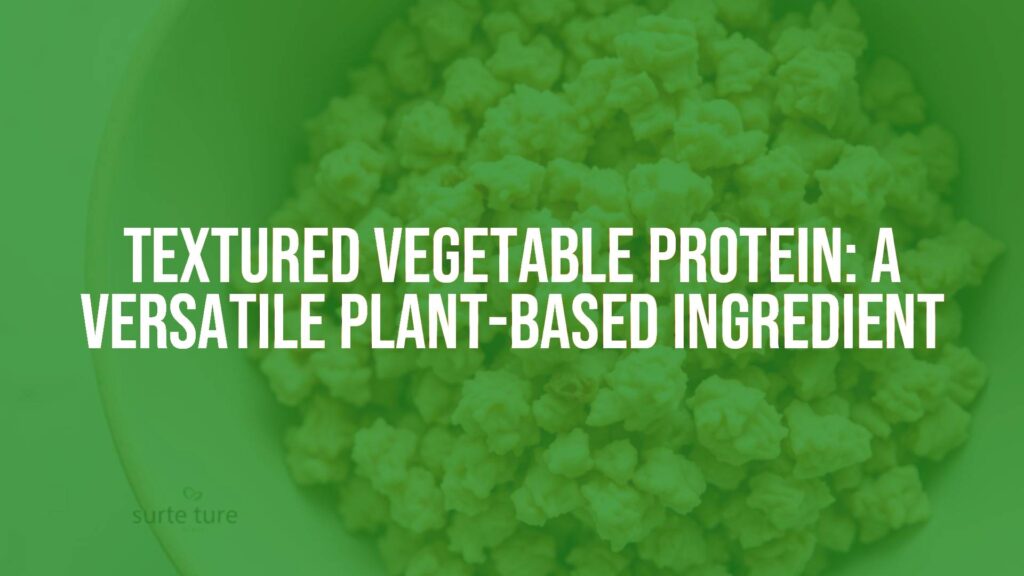
Textured vegetable protein is commonly derived from defatted soy flour, though similar products may use other legumes or grains. It typically comes in a dry, crumbly form—ranging from small granules to larger chunks—that expands and softens when rehydrated. In terms of taste, TVP is neutral and bland by itself, readily absorbing flavors from seasonings, broths, and sauces. Once prepared, it mimics the texture of ground meats or nuggets, making it suitable for a wide variety of dishes.
How It’s Made or Grown
The production of TVP begins with soybeans, which are pressed to extract oil, leaving behind defatted soy flour. This flour is then cooked under pressure, extruded through machines, and rapidly dried, resulting in the characteristic textured pieces. Variations of TVP may also include pea protein or wheat gluten, but soy remains the primary source due to its high protein content and functional properties. Modern processing methods prioritize food safety and uniform texture, making TVP a reliable ingredient.
Culinary Uses
TVP is valued for its adaptability in both savory and spicy dishes. It is widely used in vegetarian chili, tacos, pasta sauces, burgers, sloppy joes, and meatless meatballs. Rehydration—usually with hot water or broth—is required before using TVP, after which it can be seasoned and cooked like ground meat. Its ability to absorb flavors and blend seamlessly with herbs, vegetables, and sauces makes it a versatile base or extender in many cuisines, from American comfort foods to Asian stir-fries.
Nutrition and Health Aspects
Textured vegetable protein is prized for its high protein content, often providing 12–15 grams of protein per 1/4 cup dry serving. It is low in fat, cholesterol-free, and typically contains significant fiber and minerals such as iron and magnesium. TVP is also a good source of certain B vitamins. Given its soy origin, it contains all essential amino acids, making it a complete protein. However, those with soy allergies or sensitivities should avoid this product. Some commercial brands may add preservatives, so always read ingredient lists if you have dietary restrictions.
Comparison and Alternatives
While TVP is distinctly different from tofu and tempeh (both also soy-based), all three offer plant-based protein. Seitan (wheat gluten) and pea protein crumble products can serve as alternatives for those avoiding soy. Each substitute varies slightly in texture, flavor, and nutritional profile, so experimenting can help find the best fit for your cooking needs.
FAQ or Common Concerns
- Is TVP gluten-free? Pure TVP made solely from soy is gluten-free, but always check labels as cross-contamination or additives are possible.
- Is it suitable for vegans? Yes, TVP is naturally vegan and often used in plant-based recipes.
- Does TVP need special preparation? TVP must be rehydrated in hot water or broth before use; this usually takes 5–10 minutes.
- Does TVP taste like meat? TVP is neutral on its own but effectively takes on the flavor and texture of the dishes in which it is used.
Conclusion
Textured vegetable protein is a versatile, accessible ingredient that brings plant-based protein and adaptability to vegetarian and vegan cuisine. With its ability to mimic meat texture and absorb flavor, it’s an excellent choice for anyone looking to diversify their meat-free meal repertoire. Give TVP a try in your favorite recipes—you may be surprised by its satisfying results!
